












Happiness & Success
Achieving Happiness Through Acceptance of Life
The quest for happiness often leads to frustration, as many fail to realize that the...


Ancient wisdom speaks across millennia, and few voices from the distant past resonate with more relevance for our contemporary quest for personal transformation than the pre-Socratic philosopher who declared that "you cannot step twice into the same river." This comprehensive examination of one of Western philosophy's most enigmatic and profound thinkers offers modern seekers a bridge to understanding teachings that anticipated quantum physics, process philosophy, and the perennial wisdom traditions by more than two thousand years.
The central insight explored throughout these pages revolves around the concept of perpetual flux and transformation. Everything flows, nothing stands still, and the universe exists in a constant state of dynamic change. For readers navigating their own journeys of personal growth and transformation, this ancient perspective provides a philosophical framework for understanding that change is not merely inevitable but constitutes the very fabric of existence itself. Rather than resisting life's transitions, we can learn to align ourselves with the fundamental nature of reality.
What makes this philosophical exploration particularly valuable for contemporary spiritual seekers is its careful unpacking of paradoxical wisdom. The ancient teaching that "the way up and the way down are one and the same" challenges our habitual dualistic thinking. Opposites are not separate entities in conflict but complementary aspects of a unified whole. Day and night, hot and cold, life and death exist in eternal relationship, each giving meaning to the other. This understanding offers profound implications for those working through personal conflicts, shadow integration, and the journey toward wholeness.
Read more ▼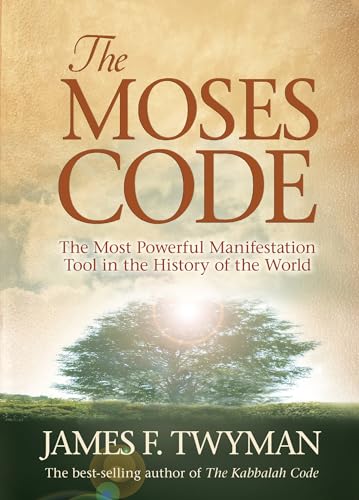
James F. Twyman

Clarissa Pinkola Estés, Clarissa Pinkola Estes, Clarissa Pinkola Estés, ANTONIA MENINI PAGES, María Antonia Menini Pagès, Maria Antonia Menini

Ken Druck

Animal Whispers Empowerment Cards
Richard Crookes
The quest for happiness often leads to frustration, as many fail to realize that the...

Reaching sixty can evoke complex emotions, blending relief with ongoing ambition. This...

The quest for life's purpose often leads to unsatisfactory answers. This article...

Imagine going through one of the most physically and emotionally demanding experiences...

Romantic love is a complex emotion shaped by historical, cultural, and biological...

Daily actions often conflict with personal beliefs due to past experiences. By utilizing...

Have you ever argued over something that wasn't actually said? From cultural differences...

Therapists often use dream interpretation to delve into patients' emotions, but true...