


















Happiness & Success
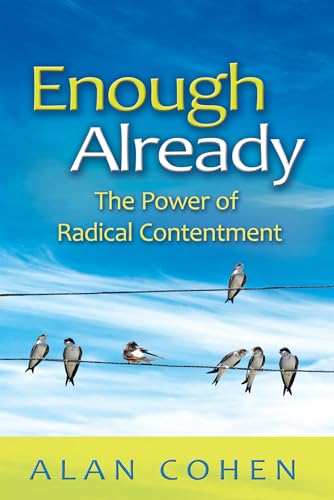
Achieving Happiness Through Acceptance of Life
The quest for happiness often leads to frustration, as many fail to realize that the...


Understanding how nations stumble into catastrophic conflicts offers profound lessons for anyone concerned with political leadership, democratic accountability, and the prevention of human suffering on a massive scale. This deeply researched historical work examines the first critical month of World War One, revealing how a combination of outdated military thinking, rigid adherence to predetermined plans, miscommunication, and fatal assumptions transformed a regional crisis into a global catastrophe that would claim millions of lives and reshape the twentieth century.
The narrative traces the intricate chain of events from late July through August 1914, when the assassination of an archduke set in motion a series of diplomatic failures and military mobilizations that no single leader seemed able to stop. Readers discover how the great powers of Europe—Germany, France, Russia, Britain, and Austria-Hungary—each believing they were acting defensively or inevitably, marched toward a war that virtually none of their citizens wanted and that would destroy the world order they thought they were protecting.
What makes this exploration particularly valuable for those interested in political consciousness and social transformation is its unflinching examination of how intelligent, educated leaders can make disastrous collective decisions. The military and political figures portrayed were not monsters or fools, but products of their institutions, training, and assumptions. Their failure represents a cautionary tale about the dangers of rigid thinking, the inability to question established plans, and the human tendency to see enemies as more capable and coordinated than they actually are while viewing one's own side as merely reactive and defensive.
Read more ▼
Brandon Bays

Bhagwan Rajneesh

The myth of freedom and the way of meditation
Chögyam Trungpa

Stressed is desserts spelled backward
Brian Luke Seaward
The quest for happiness often leads to frustration, as many fail to realize that the...

Reaching sixty can evoke complex emotions, blending relief with ongoing ambition. This...

The quest for life's purpose often leads to unsatisfactory answers. This article...

Imagine going through one of the most physically and emotionally demanding experiences...

Romantic love is a complex emotion shaped by historical, cultural, and biological...

Daily actions often conflict with personal beliefs due to past experiences. By utilizing...

Have you ever argued over something that wasn't actually said? From cultural differences...

Therapists often use dream interpretation to delve into patients' emotions, but true...