













Happiness & Success
Achieving Happiness Through Acceptance of Life
The quest for happiness often leads to frustration, as many fail to realize that the...


At the heart of human existence lies a profound paradox: we spend our lives searching for meaning, purpose, and the divine, yet what if the very essence we seek is simultaneously searching for us? This groundbreaking philosophical and theological work invites readers to completely reimagine their relationship with the sacred by proposing that spiritual awakening begins not with human striving, but with recognizing how the infinite reaches toward the finite, how the eternal calls out to the temporal.
Drawing from the rich wells of Jewish mystical tradition, prophetic literature, and centuries of philosophical inquiry, this exploration offers a radical departure from conventional religious thinking. Rather than presenting spirituality as a human quest to find an absent or distant deity, it reveals a dynamic reality where divinity actively seeks connection with humanity. This perspective transforms spiritual practice from an anxious search into a responsive relationship, from grasping after the unknowable to opening oneself to what is already present and reaching toward us.
Readers will discover a sophisticated framework for understanding religious experience that honors both intellectual rigor and the depths of human emotion. The work masterfully weaves together conceptual analysis and poetic insight, demonstrating that authentic spirituality requires both the mind's clarity and the heart's passion. Through careful examination of wonder, awe, and radical amazement, it shows how these experiences are not merely pleasant feelings but fundamental pathways to perceiving reality more truthfully.
Read more ▼
Lance Armstrong

Joel Fuhrman
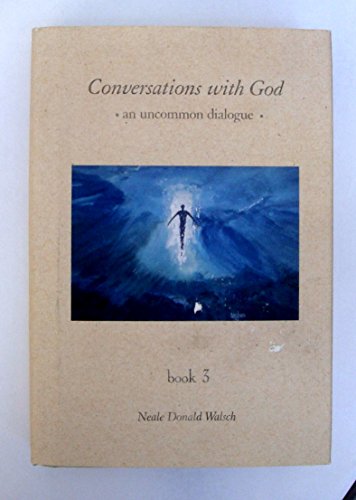
Neale Donald Walsch
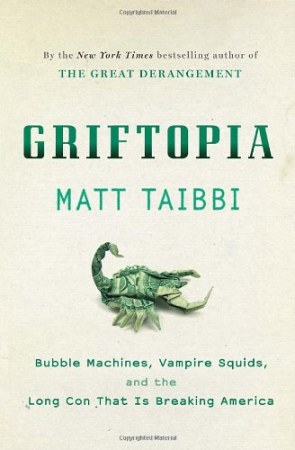
Matt Taibbi
The quest for happiness often leads to frustration, as many fail to realize that the...

Reaching sixty can evoke complex emotions, blending relief with ongoing ambition. This...

The quest for life's purpose often leads to unsatisfactory answers. This article...

Imagine going through one of the most physically and emotionally demanding experiences...

Romantic love is a complex emotion shaped by historical, cultural, and biological...

Daily actions often conflict with personal beliefs due to past experiences. By utilizing...

Have you ever argued over something that wasn't actually said? From cultural differences...

Therapists often use dream interpretation to delve into patients' emotions, but true...