















Happiness & Success
Achieving Happiness Through Acceptance of Life
The quest for happiness often leads to frustration, as many fail to realize that the...

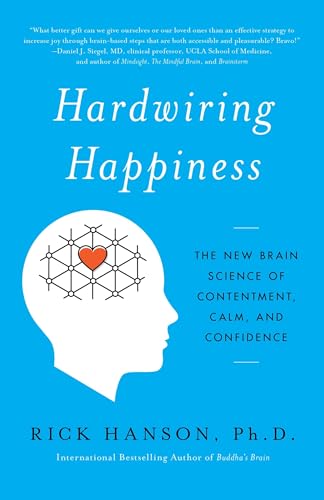
Our brains have evolved with a negativity bias, constantly scanning for threats and problems while largely overlooking positive experiences. This survival mechanism served our ancestors well when danger lurked around every corner, but in modern life, it leaves us anxious, stressed, and unable to fully absorb the good things that happen to us. The revolutionary approach presented here shows how to rewire your brain for greater happiness, resilience, and inner peace by learning to turn fleeting positive experiences into lasting neural structures.
Drawing on cutting-edge neuroscience and decades of clinical experience, this work reveals a simple yet profound truth: the structure of your brain is constantly changing based on where you focus your attention. Every experience you have creates neural pathways, and the experiences you dwell on become stronger. Unfortunately, negative experiences stick like Velcro while positive ones slide off like Teflon. This means that even when good things happen, they often fail to leave lasting traces in our neural architecture, while negative experiences readily become embedded in our psyche.
The solution lies in a four-step process that takes mere seconds but creates profound and lasting change. By learning to consciously absorb positive experiences, you can overcome your brain's built-in negativity bias and literally build neural structures that support well-being, contentment, and emotional resilience. This isn't about positive thinking or denying difficulties. Instead, it's about giving positive experiences the attention they deserve so they can become woven into the fabric of your brain and your being.
Read more ▼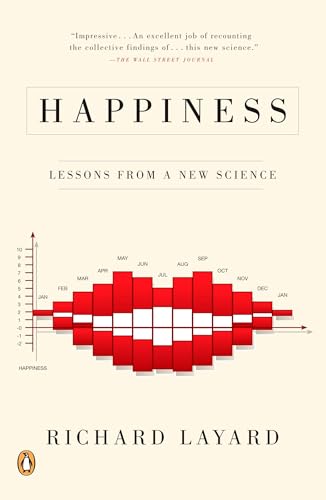
Richard Layard

Character Strengths and Virtues
Peterson, Christopher
Eric Maisel
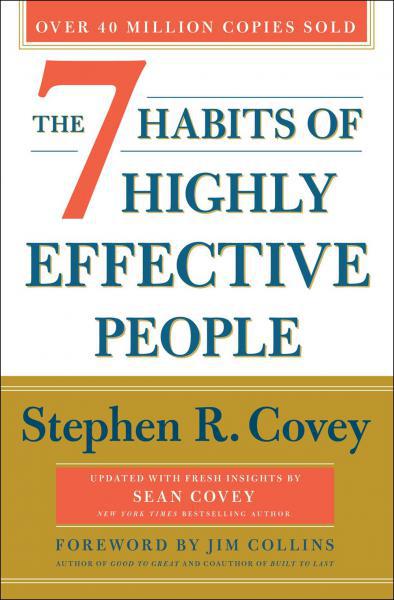
7 Habits of Highly Effective People : Revised and Updated
Stephen R. Covey, Sean Covey
The quest for happiness often leads to frustration, as many fail to realize that the...

Reaching sixty can evoke complex emotions, blending relief with ongoing ambition. This...

The quest for life's purpose often leads to unsatisfactory answers. This article...

Romantic love is a complex emotion shaped by historical, cultural, and biological...

Imagine going through one of the most physically and emotionally demanding experiences...

Have you ever argued over something that wasn't actually said? From cultural differences...

Daily actions often conflict with personal beliefs due to past experiences. By utilizing...

Therapists often use dream interpretation to delve into patients' emotions, but true...