













Happiness & Success
Achieving Happiness Through Acceptance of Life
The quest for happiness often leads to frustration, as many fail to realize that the...

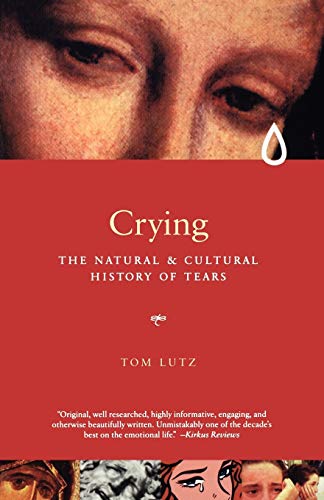
Tears flow through human experience like an underground river, surfacing at moments of profound emotion, yet their meaning remains one of our most misunderstood phenomena. This illuminating exploration takes readers on a remarkable journey through the history, science, psychology, and cultural significance of weeping, revealing how this universal human behavior connects us to our deepest selves and to each other in ways we've barely begun to comprehend.
From the moment we enter the world crying to the tears we shed at life's most pivotal moments, weeping shapes our emotional landscape in profound ways. Yet across cultures and throughout history, humanity has maintained deeply conflicted relationships with tears. This comprehensive examination traces how different societies have interpreted crying, from ancient philosophers who saw tears as evidence of weak character to contemporary neuroscientists who recognize them as sophisticated emotional and physiological responses. By understanding this evolution, readers gain insight into their own emotional conditioning and the cultural forces that have shaped how they express vulnerability.
The exploration delves into fascinating scientific territory, examining what actually happens in our bodies and brains when we cry. Tears, it turns out, are far from simple. There are actually three distinct types, each serving different functions, and emotional tears contain unique chemical properties that distinguish them from the tears that protect our eyes from dust or onion vapors. This biological dimension reveals crying as an evolved response that serves important psychological and social functions, challenging readers to reconsider any shame or discomfort they may feel around their own tears.
Read more ▼
Corrie ten Boom, Franklin Graham, Bruce Olson, John Sherrill, Elizabeth Sherrill, Ernest Borgnine

Robert Kanigel
Touching the Light What Miracles Are Made of
Meg Blackburn Losey
The quest for happiness often leads to frustration, as many fail to realize that the...

Reaching sixty can evoke complex emotions, blending relief with ongoing ambition. This...

The quest for life's purpose often leads to unsatisfactory answers. This article...

Romantic love is a complex emotion shaped by historical, cultural, and biological...

Imagine going through one of the most physically and emotionally demanding experiences...

Have you ever argued over something that wasn't actually said? From cultural differences...

Daily actions often conflict with personal beliefs due to past experiences. By utilizing...

Therapists often use dream interpretation to delve into patients' emotions, but true...