









Happiness & Success
Achieving Happiness Through Acceptance of Life
The quest for happiness often leads to frustration, as many fail to realize that the...

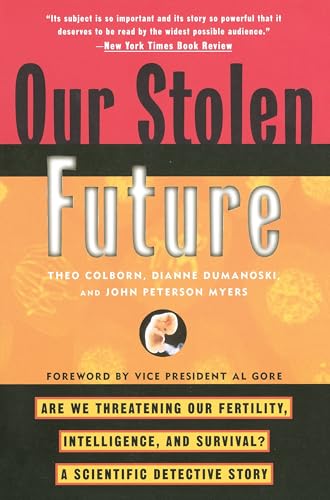
Imagine discovering that the very chemicals we've welcomed into our daily lives—the plastics in our food containers, the pesticides on our lawns, the flame retardants in our furniture—are silently interfering with the most fundamental aspects of our biology. This groundbreaking work reveals how synthetic chemicals in our environment are disrupting the delicate hormonal systems that govern reproduction, development, behavior, and intelligence across all living creatures, including humans.
At the heart of this investigation lies a startling revelation: exposure to certain man-made chemicals doesn't necessarily poison us in the traditional sense. Instead, these substances act as hormonal impostors, mimicking or blocking natural hormones like estrogen, testosterone, and thyroid hormones. Even at extraordinarily low doses—amounts previously considered harmless—these endocrine-disrupting chemicals can alter the developmental trajectory of a fetus, potentially affecting that individual's health decades later. This concept of "hormonal sabotage" represents a paradigm shift in how we understand chemical safety and environmental health.
The narrative weaves together compelling evidence from wildlife studies that first sounded the alarm. Observations of feminized male alligators in contaminated Florida lakes, hermaphroditic fish in polluted waters, reproductive failures in Great Lakes bird populations, and immune system problems in marine mammals painted a disturbing picture. These weren't isolated incidents but rather a pattern emerging across species and ecosystems. Scientists began recognizing that if wildlife was experiencing these profound reproductive and developmental problems, humans—exposed to many of the same chemicals—might face similar threats.
Read more ▼
Muller, Wayne
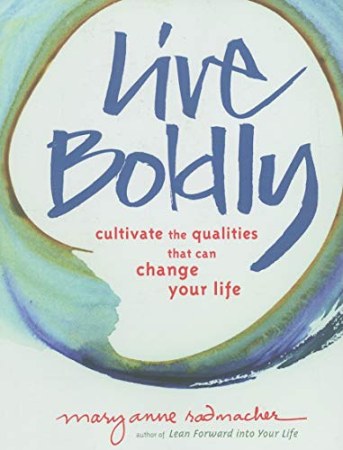
Mary Anne Radmacher
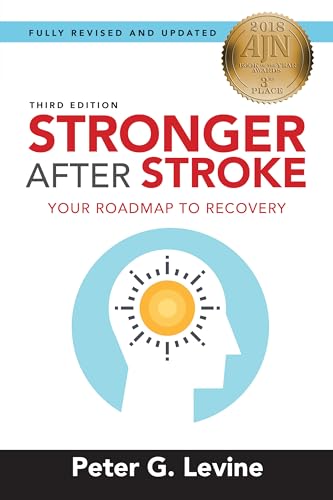
Stronger after Stroke, Third Edition
Peter Levine
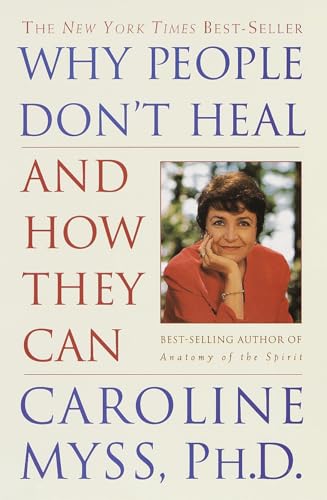
Why people don't heal and how they can
Caroline Myss
The quest for happiness often leads to frustration, as many fail to realize that the...

Reaching sixty can evoke complex emotions, blending relief with ongoing ambition. This...

The quest for life's purpose often leads to unsatisfactory answers. This article...

Romantic love is a complex emotion shaped by historical, cultural, and biological...

Imagine going through one of the most physically and emotionally demanding experiences...

Have you ever argued over something that wasn't actually said? From cultural differences...

Daily actions often conflict with personal beliefs due to past experiences. By utilizing...

Therapists often use dream interpretation to delve into patients' emotions, but true...