
Happiness & Success
Achieving Happiness Through Acceptance of Life
The quest for happiness often leads to frustration, as many fail to realize that the...








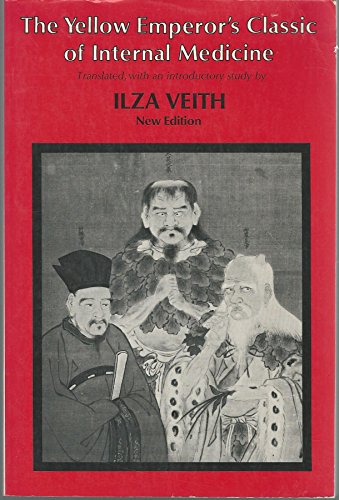
Journey into one of humanity's most profound medical and philosophical texts, a cornerstone of Chinese medicine that has shaped healing practices for over two millennia. This ancient wisdom, presented through dialogues between a legendary Chinese emperor and his court physicians, offers readers a comprehensive framework for understanding health, disease, and the intricate relationship between humans and the natural world.
At its core, this foundational text presents medicine as far more than the treatment of symptoms. It introduces readers to a holistic system where physical health cannot be separated from emotional wellbeing, spiritual harmony, or one's relationship with the cosmos. The philosophy presented here views the human body as a microcosm of the universe, governed by the same natural laws that regulate seasons, weather patterns, and celestial movements. This perspective invites readers to reconsider their own bodies not as isolated machines but as dynamic, interconnected systems in constant dialogue with their environment.
The translation of chapters one through thirty-four provides extensive insight into diagnostic methods that have stood the test of time. Readers will discover the art of pulse diagnosis, where practitioners can detect subtle imbalances by feeling the quality, rhythm, and depth of the pulse at various positions on the wrist. This sophisticated diagnostic approach recognizes dozens of pulse qualities, each revealing specific information about organ function and energy flow. Beyond pulse reading, the text explores facial diagnosis, tongue examination, and the importance of observing a patient's spirit, color, and comportment.
Read more ▼
Electronic health records and medical big data
Sharona Hoffman
The Healing of the Planet Earth
Alan Cohen
Practical Yoga, Ancient and Modern
Ernest E. Wood

Kathryn Andries
The quest for happiness often leads to frustration, as many fail to realize that the...

Reaching sixty can evoke complex emotions, blending relief with ongoing ambition. This...

The quest for life's purpose often leads to unsatisfactory answers. This article...

Romantic love is a complex emotion shaped by historical, cultural, and biological...

Imagine going through one of the most physically and emotionally demanding experiences...

Daily actions often conflict with personal beliefs due to past experiences. By utilizing...

Have you ever argued over something that wasn't actually said? From cultural differences...

Therapists often use dream interpretation to delve into patients' emotions, but true...