
Happiness & Success
Achieving Happiness Through Acceptance of Life
The quest for happiness often leads to frustration, as many fail to realize that the...









Corporate monopolies shape nearly every aspect of our daily lives, from the prices we pay for groceries to the wages we earn at work, from the quality of our healthcare to the integrity of our democracy itself. Yet most of us feel powerless to challenge these massive concentrations of wealth and influence. This comprehensive exploration of America's monopoly crisis reveals not only how we arrived at this critical juncture but, more importantly, how everyday citizens can reclaim their power and reshape the economic landscape for generations to come.
At its heart, this work examines the fundamental question of fairness in modern capitalism. Through meticulously researched historical analysis and compelling contemporary examples, readers discover how a handful of corporations have systematically consolidated control over entire industries, crushing competition, suppressing wages, and extracting wealth from communities across America. The pharmaceutical industry charges unconscionable prices for life-saving medications. Tech giants collect our personal data while eliminating rivals. Agricultural monopolies squeeze family farmers out of business. These aren't isolated incidents but symptoms of a broader crisis that threatens the foundational promise of economic opportunity and democratic participation.
What makes this examination particularly empowering is its unflinching look at how we got here. Readers learn how decades of lax enforcement, ideological shifts in economic thinking, and corporate lobbying systematically weakened the antitrust laws that once protected competition and opportunity. Understanding this history transforms feelings of helplessness into recognition that these circumstances weren't inevitable but resulted from specific policy choices that can be reversed through engaged citizenship and political will.
Read more ▼
Paul Schulick

Brigitte Mars

Being well (even when you're sick)
Elana Rosenbaum
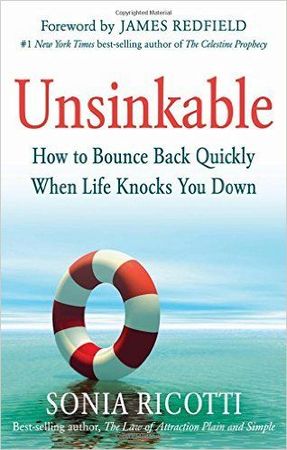
Sonia Ricotti, James Redfield
The quest for happiness often leads to frustration, as many fail to realize that the...

Reaching sixty can evoke complex emotions, blending relief with ongoing ambition. This...

The quest for life's purpose often leads to unsatisfactory answers. This article...

Imagine going through one of the most physically and emotionally demanding experiences...

Romantic love is a complex emotion shaped by historical, cultural, and biological...

Daily actions often conflict with personal beliefs due to past experiences. By utilizing...

Have you ever argued over something that wasn't actually said? From cultural differences...

Therapists often use dream interpretation to delve into patients' emotions, but true...