
Happiness & Success
Achieving Happiness Through Acceptance of Life
The quest for happiness often leads to frustration, as many fail to realize that the...









Behind the veneer of a dystopian adventure trilogy lies a profound exploration of personal sovereignty, moral courage, and the journey from powerlessness to empowerment. Set in a post-apocalyptic nation where children are forced to fight to the death for televised entertainment, this narrative serves as both cautionary tale and empowerment roadmap, examining how individuals can reclaim their agency even within the most oppressive systems.
At its heart, this trilogy chronicles one young woman's transformation from survival mode to conscious choice, from being acted upon to taking deliberate action. Readers witness how circumstances beyond our control can catalyze profound personal growth, forcing us to discover strengths we never knew we possessed. The protagonist's journey demonstrates that empowerment isn't about becoming fearless—it's about acting despite fear, maintaining humanity despite dehumanizing circumstances, and choosing authenticity even when conformity might ensure survival.
The narrative explores the psychology of oppression and how systems maintain control through manufactured scarcity, spectacle, and the manipulation of basic human needs. By dividing communities and forcing competition for resources, those in power create environments where people see each other as threats rather than allies. This dynamic resonates deeply with contemporary experiences of economic inequality, political division, and social stratification. Readers gain insight into recognizing these patterns in their own lives and communities, understanding how external forces can shape internal beliefs about worth, possibility, and power.
Read more ▼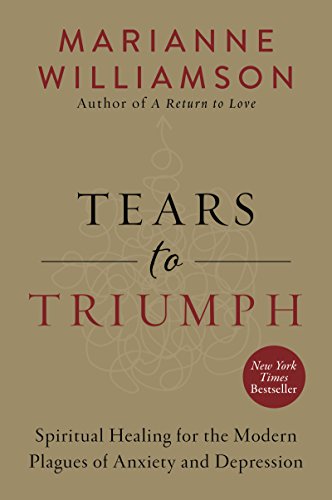
Marianne Williamson

Jim Brickman, Cindy Pearlman
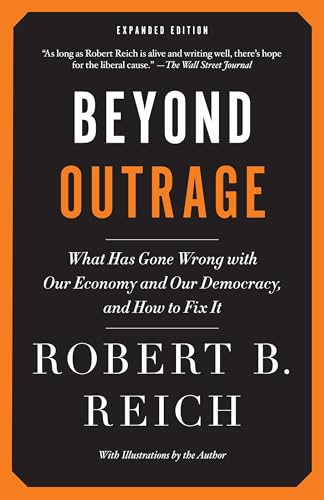
Robert B. Reich

Debra Waterhouse
The quest for happiness often leads to frustration, as many fail to realize that the...

Reaching sixty can evoke complex emotions, blending relief with ongoing ambition. This...

The quest for life's purpose often leads to unsatisfactory answers. This article...

Romantic love is a complex emotion shaped by historical, cultural, and biological...

Imagine going through one of the most physically and emotionally demanding experiences...

Have you ever argued over something that wasn't actually said? From cultural differences...

Daily actions often conflict with personal beliefs due to past experiences. By utilizing...

Therapists often use dream interpretation to delve into patients' emotions, but true...