
Happiness & Success
Achieving Happiness Through Acceptance of Life
The quest for happiness often leads to frustration, as many fail to realize that the...








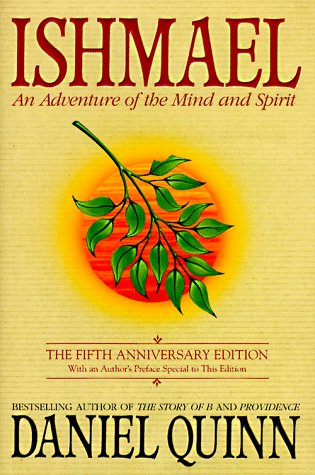
Through an extraordinary dialogue between a man and a teacher unlike any other, readers embark on a philosophical journey that challenges the very foundation of how we understand civilization, our place in the world, and the story we tell ourselves about being human. This remarkable work of transformative fiction presents a student-teacher relationship that unfolds in the most unexpected way, creating a framework for examining the deeply held beliefs that shape our culture and our future.
At the heart of this exploration lies a fundamental question: Why is our civilization destroying the world, and what can we do about it? Rather than offering simple answers or prescriptive solutions, the narrative guides readers through a process of discovery, revealing how a particular cultural narrative has dominated human thought for thousands of years. This narrative, often invisible to those living within it, has convinced us that there is only one right way to live, that humans are meant to conquer and rule the earth, and that our current path represents the pinnacle of human achievement.
The teaching method employed throughout demonstrates the power of Socratic questioning, inviting readers to examine their assumptions about progress, civilization, and human nature. Through carefully structured dialogue, fundamental concepts are dissected and reconstructed, revealing how cultural mythology shapes behavior on both individual and collective levels. The distinction drawn between "Takers" and "Leavers" provides a framework for understanding different approaches to human existence on this planet, contrasting the expansionist, dominating worldview of agricultural civilization with the sustainable, integrated approach of peoples who lived differently for millions of years.
Read more ▼
Imre Vallyon
Laurie McCammon
The quest for happiness often leads to frustration, as many fail to realize that the...

Reaching sixty can evoke complex emotions, blending relief with ongoing ambition. This...

The quest for life's purpose often leads to unsatisfactory answers. This article...

Romantic love is a complex emotion shaped by historical, cultural, and biological...

Imagine going through one of the most physically and emotionally demanding experiences...

Daily actions often conflict with personal beliefs due to past experiences. By utilizing...

Have you ever argued over something that wasn't actually said? From cultural differences...

Therapists often use dream interpretation to delve into patients' emotions, but true...