
Happiness & Success
Achieving Happiness Through Acceptance of Life
The quest for happiness often leads to frustration, as many fail to realize that the...








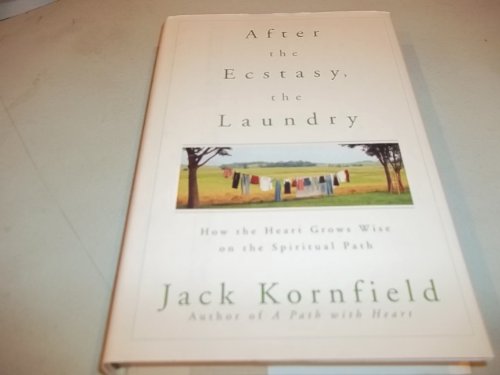
Spiritual awakening is often portrayed as a mountaintop experience, a moment of transcendent clarity that permanently transforms everything. Yet what happens when we descend from that peak and return to the mundane realities of daily life? What occurs when the dishes still need washing, relationships remain complicated, and old patterns resurface despite profound spiritual experiences? This exploration addresses the rarely discussed gap between moments of enlightenment and the ongoing challenges of human existence.
Drawing from conversations with monks, nuns, lamas, swamis, priests, and meditation teachers from diverse traditions spanning Buddhism, Hinduism, Christianity, and Judaism, this work illuminates the authentic journey of spiritual practice as it unfolds in real life. Rather than presenting idealized versions of awakening, it reveals the honest struggles, disappointments, and ongoing growth that characterize genuine spiritual maturity. These frank discussions expose a truth often hidden behind spiritual facades: that awakening is not a final destination but an ongoing process requiring continuous attention and integration.
The environmental dimension of spiritual practice emerges as practitioners discover that genuine awakening necessarily includes recognizing our interconnection with all life. Just as we cannot separate our inner work from our relationships with other people, we cannot divorce our spiritual development from our relationship with the natural world. The illusion of separation that spiritual practice seeks to dissolve extends beyond human boundaries to encompass the entire web of existence. Understanding this interconnection becomes essential for anyone seeking authentic transformation in an era of ecological crisis.
Read more ▼
Susan Freinkel

Jamie S. Korngold

The western guide to feng shui
Terah Kathryn Collins
Rita, Ph.D. Louise
The quest for happiness often leads to frustration, as many fail to realize that the...

Reaching sixty can evoke complex emotions, blending relief with ongoing ambition. This...

The quest for life's purpose often leads to unsatisfactory answers. This article...

Romantic love is a complex emotion shaped by historical, cultural, and biological...

Imagine going through one of the most physically and emotionally demanding experiences...

Daily actions often conflict with personal beliefs due to past experiences. By utilizing...

Have you ever argued over something that wasn't actually said? From cultural differences...

Therapists often use dream interpretation to delve into patients' emotions, but true...