
Happiness & Success
Achieving Happiness Through Acceptance of Life
The quest for happiness often leads to frustration, as many fail to realize that the...








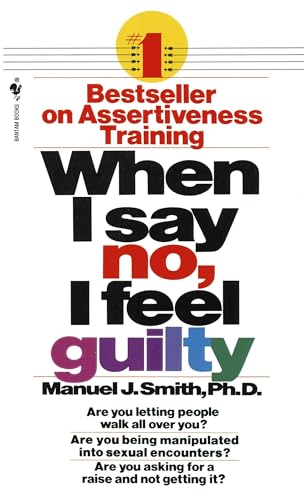
Learning to assert yourself without drowning in guilt represents one of the most transformative skills you can develop in your personal growth journey. Many of us navigate through life feeling manipulated, controlled, or perpetually anxious about disappointing others. We say yes when we mean no, we apologize for things that aren't our fault, and we allow others to define our boundaries for us. This groundbreaking work in assertiveness training offers a systematic approach to reclaiming your personal power and establishing healthy boundaries without sacrificing your relationships or your peace of mind.
At the heart of this transformative guide lies a revolutionary premise: you have the fundamental human right to be the final judge of yourself, your behaviors, and your decisions. This principle, along with several others outlined in detail, forms the foundation of what's known as assertive behavior. These aren't abstract concepts but practical rights that empower you to interact with others from a position of self-respect rather than defensiveness or aggression.
The material presents a comprehensive system of verbal techniques designed to help you handle criticism, resist manipulation, and express your needs clearly and confidently. Among the most powerful tools introduced is a method for accepting criticism without becoming defensive or hostile, allowing you to hear what others say without automatically accepting their right to judge you. Another technique teaches you how to persistently assert your position without becoming angry or backing down, using calm repetition to maintain your boundaries against even the most determined manipulator.
Read more ▼
Kathy Cordova
Art of Conscious Conversations
Chuck Wisner

Sarah Waters, Sarah Waters, Juanita McMahon

Thom Hartmann
The quest for happiness often leads to frustration, as many fail to realize that the...

Reaching sixty can evoke complex emotions, blending relief with ongoing ambition. This...

The quest for life's purpose often leads to unsatisfactory answers. This article...

Imagine going through one of the most physically and emotionally demanding experiences...

Romantic love is a complex emotion shaped by historical, cultural, and biological...

Daily actions often conflict with personal beliefs due to past experiences. By utilizing...

Have you ever argued over something that wasn't actually said? From cultural differences...

Therapists often use dream interpretation to delve into patients' emotions, but true...