
Happiness & Success
Achieving Happiness Through Acceptance of Life
The quest for happiness often leads to frustration, as many fail to realize that the...








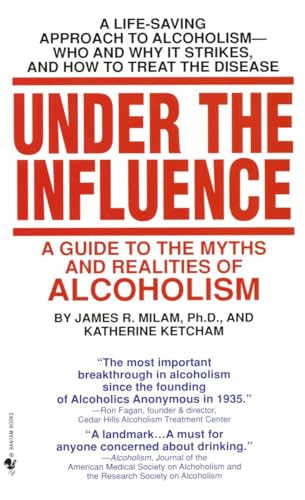
Alcoholism has long been shrouded in moral judgment, shame, and misunderstanding. For decades, society has viewed problem drinking through a lens of willpower and character flaws, leaving millions of people suffering in silence while their families watch helplessly from the sidelines. What if nearly everything we've been taught about alcohol addiction is fundamentally wrong? What if the solution lies not in moral fortitude or psychological analysis, but in understanding a physiological disease that affects certain individuals from their very first drink?
This groundbreaking work revolutionizes our understanding of alcoholism by presenting compelling scientific evidence that challenges conventional wisdom. Drawing from extensive research in biochemistry, genetics, and physiology, it presents alcoholism as a metabolic disorder rather than a psychological weakness or moral failing. For readers struggling with their own relationship with alcohol, watching a loved one spiral downward, or working in fields related to addiction and recovery, this perspective offers both relief and a practical pathway forward.
The core revelation centers on how different bodies process alcohol at the cellular level. While most people can drink moderately without consequence, approximately ten percent of the population possesses a fundamentally different physiological response to alcohol. These individuals experience altered brain chemistry from their earliest encounters with drinking, creating a biological compulsion that has nothing to do with emotional problems, stress, or lack of self-control. Their bodies literally process alcohol differently, making abstinence the only viable solution rather than moderation.
Read more ▼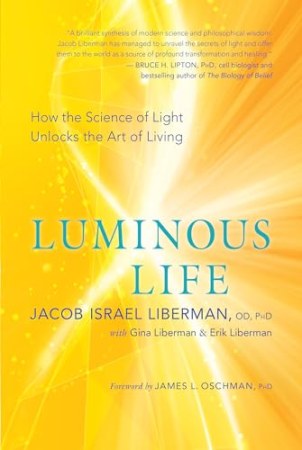
Luminous Life: How the Science of Light Unlocks the Art of Living
Jacob Israel Liberman OD PhD

Deborah Tyler Blais

Andrew Harvey

Neale Donald Walsch
The quest for happiness often leads to frustration, as many fail to realize that the...

Reaching sixty can evoke complex emotions, blending relief with ongoing ambition. This...

The quest for life's purpose often leads to unsatisfactory answers. This article...

Imagine going through one of the most physically and emotionally demanding experiences...

Romantic love is a complex emotion shaped by historical, cultural, and biological...

Daily actions often conflict with personal beliefs due to past experiences. By utilizing...

Have you ever argued over something that wasn't actually said? From cultural differences...

Therapists often use dream interpretation to delve into patients' emotions, but true...