
Happiness & Success
Achieving Happiness Through Acceptance of Life
The quest for happiness often leads to frustration, as many fail to realize that the...








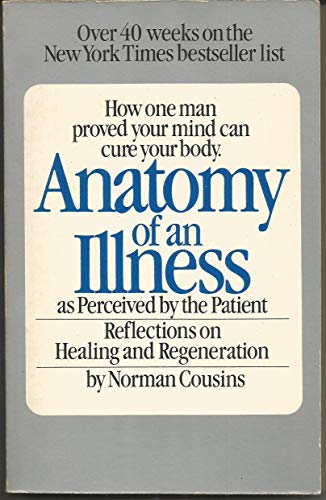
A groundbreaking exploration of the mind-body connection reveals how one man's battle with a supposedly incurable disease transformed medical understanding of the healing process. This remarkable account demonstrates the powerful role that attitude, emotions, and personal agency can play in recovering from serious illness, challenging conventional medical wisdom and opening new pathways for patients seeking to participate actively in their own healing journey.
The narrative centers on a life-threatening diagnosis of a degenerative connective tissue disease, one that medical professionals considered virtually irreversible. Faced with a grim prognosis and debilitating symptoms that made even basic movement agonizing, the decision was made to take an unconventional approach to treatment. Rather than surrendering entirely to traditional protocols that offered little hope, a bold experiment began that would combine medical knowledge with insights about human psychology, stress, and the healing power of positive emotions.
At the heart of this transformative approach lies a radical yet simple premise: if negative emotions and stress can contribute to physical deterioration, then positive emotions might stimulate healing and recovery. This hypothesis led to an innovative treatment protocol that included large doses of vitamin C alongside a revolutionary prescription—laughter. By watching classic comedy films and humorous television programs, measurable improvements began to occur. Each ten-minute session of genuine, belly-shaking laughter provided hours of pain-free sleep, and incremental physical improvements could be documented through medical tests.
Read more ▼
Julia Cameron
Brenda Crawford-Clark
Dana Ullman

Qigong Teachings of a Taoist Immortal
Stuart Alve Olson
The quest for happiness often leads to frustration, as many fail to realize that the...

Reaching sixty can evoke complex emotions, blending relief with ongoing ambition. This...

The quest for life's purpose often leads to unsatisfactory answers. This article...

Romantic love is a complex emotion shaped by historical, cultural, and biological...

Imagine going through one of the most physically and emotionally demanding experiences...

Daily actions often conflict with personal beliefs due to past experiences. By utilizing...

Have you ever argued over something that wasn't actually said? From cultural differences...

Therapists often use dream interpretation to delve into patients' emotions, but true...