
Happiness & Success
Achieving Happiness Through Acceptance of Life
The quest for happiness often leads to frustration, as many fail to realize that the...








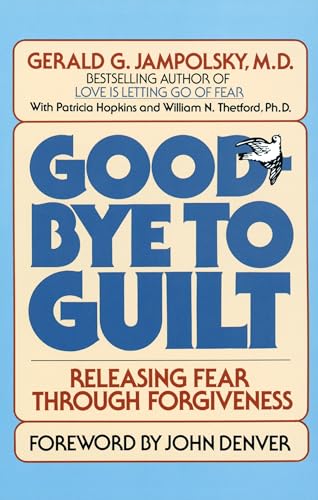
Fear and guilt form invisible chains that bind us to the past, preventing authentic connection with others and ourselves. These emotional burdens color every relationship we enter, creating barriers to genuine intimacy and unconditional love. What if the key to transforming our relationships and experiencing true peace lies not in analyzing our guilt or justifying our fears, but in the radical act of forgiveness?
This transformative work introduces readers to a revolutionary approach to emotional healing that draws from both psychological insight and spiritual wisdom. At its core is a simple yet profound premise: guilt serves no useful purpose in our lives. Rather than motivating positive change, guilt keeps us trapped in cycles of self-punishment, projection, and attack. It prevents us from being fully present with our loved ones and creates a distorted lens through which we view all our interactions.
The exploration begins with an examination of how guilt operates in our daily lives. Most of us carry guilt about past actions, present inadequacies, and even anticipated future failures. This chronic guilt becomes so familiar that we mistake it for conscience or moral responsibility. Yet guilt actually separates us from others, breeding resentment, defensiveness, and the need to make others wrong in order to feel temporarily right ourselves. In romantic relationships, familial bonds, and friendships, unexamined guilt manifests as criticism, withdrawal, or attempts to control others.
Read more ▼
Louise Hay
Breaking Free from the Victim Trap
Diane Zimberoff
Parenting without power struggles
Susan Stiffelman
How to Say No Without Feeling Guilty
Patti Breitman, Connie Hatch
The quest for happiness often leads to frustration, as many fail to realize that the...

Reaching sixty can evoke complex emotions, blending relief with ongoing ambition. This...

The quest for life's purpose often leads to unsatisfactory answers. This article...

Romantic love is a complex emotion shaped by historical, cultural, and biological...

Imagine going through one of the most physically and emotionally demanding experiences...

Daily actions often conflict with personal beliefs due to past experiences. By utilizing...

Have you ever argued over something that wasn't actually said? From cultural differences...

Therapists often use dream interpretation to delve into patients' emotions, but true...