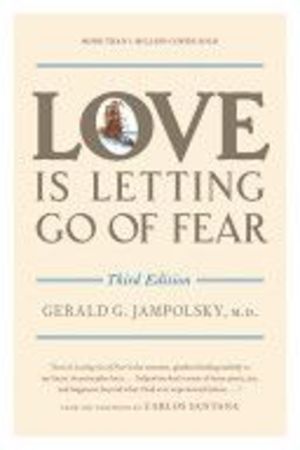
Love is one of humanity's most powerful emotions, capable of inspiring acts of profound beauty and connection. Yet like any force in nature, when it becomes unbalanced or obsessive, even love can transform into something damaging—not only to the object of affection but to the one experiencing it. This exploration delves into the phenomenon of obsessive attachment and compulsive behavior patterns that masquerade as love, offering readers insight into recognizing and healing these destructive relationship dynamics.
At its core, this work examines how the desire to love and be loved can spiral into unhealthy territory when taken to extremes. The central question it addresses is both simple and profound: what happens when devotion becomes so intense that it ceases to serve the relationship and instead becomes a prison for all involved? Through detailed examination of behavioral patterns, psychological principles, and real-world case studies, readers gain a comprehensive understanding of how obsessive attachment operates and why certain individuals fall into these patterns repeatedly.
The book provides illuminating distinctions between healthy attachment and obsessive bonding. While healthy love involves respect for boundaries, growth, and mutual support, obsessive love often manifests as possessiveness, jealousy, manipulation, and an inability to function without constant connection to the beloved. Readers will discover how obsessive patterns typically stem from deep insecurity, fear of abandonment, or unresolved childhood wounds that create a desperate need to control the other person's love and attention.
One of the most valuable aspects of this work is its compassionate approach to understanding why people develop these patterns. Rather than judgment, the exploration reveals the psychological mechanisms at play—how trauma, attachment disorders, and emotional dysregulation create a template for obsessive relating. This understanding is crucial because shame often prevents people from seeking help or examining their own behavior patterns honestly. By approaching the subject with clinical expertise tempered by empathy, this work creates a safe space for self-examination.
The practical implications of this exploration extend far beyond simple relationship advice. Readers learn how to identify obsessive patterns in their own behavior, whether they are the pursuer or the pursued. The work addresses the particular pain experienced by those who become the target of obsessive love—the suffocation, the violated boundaries, and the exhausting emotional labor of trying to satisfy an insatiable hunger for reassurance and connection. For those struggling with their own obsessive tendencies, the book provides a roadmap for understanding the root causes and implementing genuine change.
Throughout the exploration, the distinction between love as an action and love as an emotion becomes clear. Obsessive patterns are often driven by emotion alone—the overwhelming feeling that one cannot survive without another person—while genuine love balances emotion with respect, genuine care for the other's wellbeing, and the ability to support their autonomy and growth. This distinction is transformative, as it reveals that true love sometimes means letting go or accepting limitations on closeness.
The work also addresses the cyclical nature of obsessive relationships. These patterns rarely improve through continued intensity. Instead, healing requires honest self-examination, often professional support, and a fundamental shift in how one understands love, security, and personal worth. Readers will discover that the path to healthier relating begins with healing one's relationship with oneself—addressing the inner emptiness that drives the desperate seeking of fulfillment through another person.
For those committed to personal growth and meaningful relationships, understanding these dynamics is essential. This exploration offers both the knowledge and the compassionate framework necessary to recognize destructive patterns, whether in oneself or in relationships one observes. By bringing awareness to obsessive love dynamics, readers can make conscious choices toward healthier attachment styles and more authentic, balanced connections with others.