
Happiness & Success
Achieving Happiness Through Acceptance of Life
The quest for happiness often leads to frustration, as many fail to realize that the...








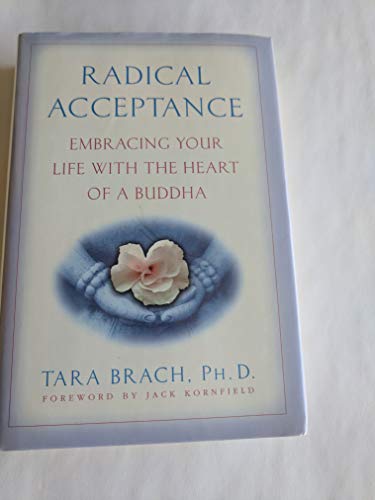
# Discovering Freedom Through Complete Acceptance
Within the framework of personal transformation lies a paradox that often escapes our notice: the very struggles we undertake to change ourselves can become barriers to genuine growth. This exploration examines how complete and radical acceptance of ourselves and our circumstances serves as the gateway to authentic liberation and profound healing. Rather than fighting against what is, we discover that embracing reality exactly as it appears in this moment creates the conditions for meaningful transformation.
The central teaching revolves around understanding how our natural human tendency to resist, judge, and reject aspects of ourselves perpetuates suffering. When we view our thoughts, emotions, and experiences as problems to be solved rather than phenomena to be understood, we create an internal war that drains our energy and diminishes our capacity for genuine change. Through careful exploration of Buddhist psychology, neuroscience, and contemporary therapeutic practices, this work demonstrates how self-rejection paradoxically locks us into the very patterns we wish to escape.
Read more ▼
Judith Poole
Jill Lublin

Brian Klaas

Foundation for Inner Peace
The quest for happiness often leads to frustration, as many fail to realize that the...

Reaching sixty can evoke complex emotions, blending relief with ongoing ambition. This...

The quest for life's purpose often leads to unsatisfactory answers. This article...

Romantic love is a complex emotion shaped by historical, cultural, and biological...

Imagine going through one of the most physically and emotionally demanding experiences...

Have you ever argued over something that wasn't actually said? From cultural differences...

Daily actions often conflict with personal beliefs due to past experiences. By utilizing...

Therapists often use dream interpretation to delve into patients' emotions, but true...