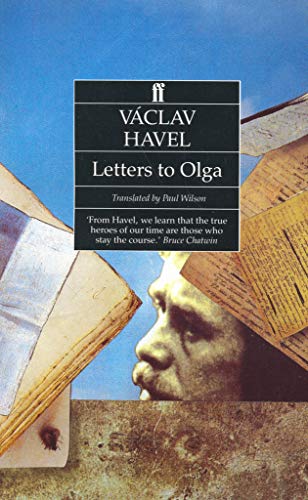


What emerges from these pages is a profound meditation on the power of conscience, integrity, and spiritual resilience when faced with oppressive circumstances. This remarkable collection consists of correspondence written from imprisonment to a beloved partner, offering readers an intimate window into the mind of someone who refused to compromise their principles despite extraordinary pressure and confinement.
The letters span several years of incarceration and explore themes that resonate deeply with anyone seeking to understand what it truly means to live authentically. Through candid personal reflection, the writer grapples with fundamental questions about human dignity, the nature of hope, the tension between action and contemplation, and how to maintain one's sense of self when external forces attempt to diminish or control it. Rather than descending into despair or bitterness, these messages reveal a mind actively engaged in constructing meaning from suffering, turning isolation into an opportunity for profound self-examination.
Readers will discover how confronting one's fears and limitations can paradoxically lead to greater freedom. The correspondence demonstrates that true power doesn't always come from external circumstances or political victory, but from the internal stance we take toward our circumstances. This distinction between what happens to us and how we respond proves to be the central insight that transforms the prison experience from mere endurance into a form of spiritual development. For contemporary readers struggling with their own constraints—whether psychological, professional, or personal—this offers a transformative perspective on agency and choice.
The work addresses the relationship between individual responsibility and collective action, exploring how personal integrity connects to broader social consciousness. Through intimate exchanges with someone close, the writer examines whether withdrawal from the world serves justice or abandons it, whether silence under oppression is complicity, and whether maintaining one's inner truth requires public witness. These questions remain urgently relevant in our modern world, where individuals frequently face pressure to conform or remain silent about their values.
What makes this correspondence particularly valuable for those on a personal growth journey is its honest treatment of vulnerability. The writer doesn't pretend to possess all answers or maintain constant equanimity. Instead, readers encounter genuine struggle with doubt, loneliness, self-examination, and the very human need for connection and validation. This honesty creates permission for readers to acknowledge their own struggles while seeking to grow from them.
The letters also reveal how intellectual engagement and philosophical inquiry can serve as sustenance during hardship. Rather than mere escapism, the thoughtful examination of ideas about identity, meaning, and purpose provides a framework for understanding one's experience within something larger than personal circumstances. This speaks to the deep human need for narrative coherence and spiritual significance, particularly relevant in modern times when many people feel adrift without meaningful frameworks for understanding their lives.
Throughout these pages, one encounters a developing philosophy of how to live with integrity while maintaining compassion, how to resist dehumanization without becoming dehumanizing in return, and how to preserve hope without denying reality. The correspondence models a way of being that transcends victimhood without denying genuine suffering, maintains conviction without rigidity, and persists in meaning-making without naive optimism.
For readers seeking personal empowerment, this work offers something rare: a genuine portrait of someone discovering their own strength not through conquest or domination, but through deliberate cultivation of conscience, honesty, and purposeful engagement with fundamental questions about how to live well. The insights gained from reading these intimate communications extend far beyond the specific historical circumstances from which they emerged, speaking instead to the universal human challenge of maintaining integrity and humanity in the face of adversity.