# Rediscovering Joy: The Transformative Science Behind Playfulness and Authentic Happiness
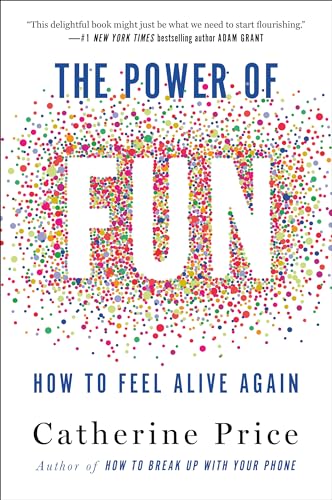
Have you noticed that despite unprecedented access to entertainment and distractions, many of us feel increasingly depleted, anxious, and disconnected from genuine joy? We've been conditioned to believe that happiness comes from achievement, accumulation, and constant productivity, yet this approach leaves us feeling empty. What if the antidote to our modern malaise lies not in doing more or acquiring more, but in rediscovering something we may have abandoned long ago: the capacity for authentic fun?
This exploration into the nature of genuine enjoyment and playfulness offers readers a groundbreaking perspective on personal well-being and fulfillment. Drawing from neuroscience, psychology, and real-world examples, the work reveals why fun has become so difficult to access in our overscheduled, digitally saturated lives and what we're losing when we neglect it.
The foundation begins with a critical distinction that many of us fail to make. Not all activities that promise enjoyment actually deliver genuine fun. Endless scrolling through social media, binge-watching television, and other passive consumption activities often leave us feeling more depleted than nourished. True fun, as explored throughout these pages, requires three essential elements: playfulness, lightness, and connection. This isn't frivolous enjoyment or distraction from our responsibilities. Rather, it's a specific state of being that engages us fully, makes us feel alive, and strengthens our relationships and sense of purpose.
One of the most valuable insights readers will gain is understanding why we've collectively abandoned fun as a priority. Modern culture celebrates busyness as a status symbol and views leisure with suspicion. We've internalized messages that productivity equals worth and that enjoyment is somehow selfish or irresponsible. This internalized guilt prevents us from engaging in the very activities that would restore our energy and improve our mental health. By examining these cultural narratives, we can begin to question them and reclaim our right to genuine pleasure and amusement.
The exploration also delves into the neuroscience of play and how it affects our brains and bodies. When we engage in genuine fun, our brains release dopamine and other neurochemicals that support learning, creativity, resilience, and emotional regulation. Fun actually makes us smarter, more innovative, and better equipped to handle life's challenges. Yet most of us relegate play to childhood, as if we've outgrown the very mechanism our brains need for optimal functioning.
Practical wisdom fills these pages, offering readers concrete ways to identify what constitutes fun for them personally. Because fun is not one-size-fits-all, the work guides readers through a process of self-discovery to uncover their own unique sources of genuine enjoyment. What brings one person alive with playful energy might bore another. The key is developing awareness of what makes you feel present, engaged, and genuinely happy rather than what you think should make you happy.
The personal empowerment aspect of this exploration cannot be overstated. By reclaiming fun as a legitimate and essential part of a healthy life, you're making a radical statement. You're asserting that your well-being matters, that joy is not a luxury to be earned through achievement, and that life's quality is measured in meaningful moments of connection and delight, not just in accomplishments. This perspective shift has profound implications for how you approach your daily life, your relationships, and your sense of purpose.
Furthermore, incorporating more genuine fun into your life strengthens your relationships. Shared playfulness and laughter create bonds that transcend superficial interaction. When you can be present and playful with others, you're creating authentic connection that nourishes everyone involved. In a world of increasing isolation and digital disconnection, this relational aspect of fun becomes even more critical.
Ultimately, this work invites you to fundamentally reconsider what matters in your life and to give yourself permission to prioritize experiences that bring you joy. It's not about frivolity or irresponsibility; it's about honoring the full spectrum of human experience and recognizing that fun is essential to a meaningful, healthy, and deeply satisfying life.