
Happiness & Success
Achieving Happiness Through Acceptance of Life
The quest for happiness often leads to frustration, as many fail to realize that the...








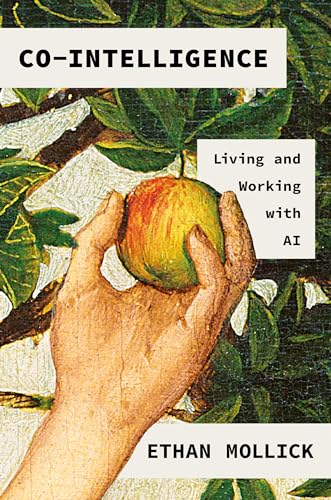
# Harnessing the Partnership Between Human Intelligence and Artificial Intelligence
We stand at an extraordinary threshold in human history. Artificial intelligence is no longer a distant possibility or science fiction fantasy—it's here, integrated into our daily lives, reshaping how we work, create, learn, and think. Yet despite its ubiquity, most people remain uncertain about how to actually engage with these powerful tools in meaningful ways. This uncertainty often stems from two opposing extremes: either dismissing AI as a threat to human capability, or surrendering our autonomy to algorithmic decision-making. Neither approach serves our genuine interests or potential.
There is, however, a transformative third path. Rather than viewing artificial intelligence as something to either resist or passively accept, we can learn to work with it as an intelligent partner—a collaborator that amplifies our unique human gifts while we provide the wisdom, judgment, and creative vision that machines cannot replicate. This partnership approach represents nothing less than a revolution in human potential and personal empowerment.
Read more ▼
Alexandra Kennedy
Malcolm Gladwell

Lionel L. Fisher
The quest for happiness often leads to frustration, as many fail to realize that the...

Reaching sixty can evoke complex emotions, blending relief with ongoing ambition. This...

The quest for life's purpose often leads to unsatisfactory answers. This article...

Have you ever argued over something that wasn't actually said? From cultural differences...

Romantic love is a complex emotion shaped by historical, cultural, and biological...

Imagine going through one of the most physically and emotionally demanding experiences...

Daily actions often conflict with personal beliefs due to past experiences. By utilizing...

Therapists often use dream interpretation to delve into patients' emotions, but true...