A profound spiritual revolution awaits those willing to challenge centuries of religious teaching that has positioned the physical body and material world as obstacles to enlightenment. This groundbreaking exploration invites readers into a radically different understanding of spirituality, one that honors the flesh, celebrates earthly experience, and reconnects us with the sacred dimension of ordinary life.
For too long, spiritual seekers have been taught that transcendence requires abandonment of the body, rejection of sensuality, and denial of worldly pleasure. This perspective has created a painful schism within human consciousness, forcing people to choose between spiritual authenticity and embodied existence. Yet what if this ancient division represents a fundamental misunderstanding? What if the path to genuine spiritual awakening actually requires us to fully embrace our physical nature rather than transcend it?
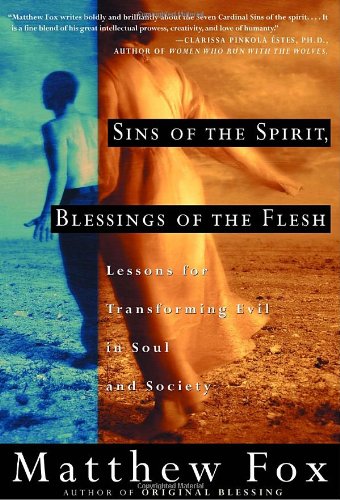
This collection draws from the teachings of a medieval Christian mystic whose insights were centuries ahead of their time. The wisdom presented here challenges the ascetic traditions that have dominated Western spirituality, offering instead a vision of integration where body and spirit, matter and consciousness, earthly joy and divine presence coexist in perfect harmony. For readers who have felt caught between conflicting identities, this material provides both intellectual validation and spiritual permission to be fully human without guilt or shame.
The exploration begins by examining how fear and misunderstanding have created the artificial split between flesh and spirit in religious consciousness. Through careful analysis and profound teaching, readers will understand how this division contradicts deeper spiritual truths and has contributed to widespread psychological suffering, particularly around sexuality, pleasure, embodiment, and the simple enjoyment of being alive. This historical perspective proves liberating for those who have internalized shame messages about their bodies or their desires.
Moving deeper into the work, readers encounter a spiritual framework that honors the body as a vehicle for divine expression. Rather than viewing physical sensations and earthly experiences as distractions from spiritual work, this perspective recognizes them as direct pathways to encountering the sacred. The senses become instruments of spiritual perception. Pleasure becomes a form of prayer. The world itself becomes luminous with divine presence.
This teaching proves especially valuable for those struggling with integration. People often feel torn between their spiritual aspirations and their human needs, their meditative practice and their embodied relationships, their soul's yearning and their body's desires. This material provides a unified vision where all dimensions of human experience can coexist authentically without requiring suppression or denial of any aspect of self.
The implications extend far beyond individual spirituality into how we relate to sexuality, food, creativity, work, and community. When we no longer view the physical world as inherently corrupt or spirituality as requiring escape from matter, we can engage with life more fully, more consciously, and more joyfully. Relationships deepen when we honor both spiritual and sensual connection. Creative expression flourishes when we celebrate rather than deny our embodied existence. Work becomes sacred when we recognize the divine within action and creation.
For readers on genuine spiritual paths who have felt conflicted or guilty about enjoying physical existence, this material offers profound healing and integration. It demonstrates that seeking wholeness need not mean fragmenting oneself into competing identities. The highest spiritual development involves bringing all aspects of human experience into conscious awareness and loving acceptance, creating an integrated self that honors both transcendent aspiration and earthly belonging.
This transformative perspective addresses a crisis in contemporary spirituality, where disconnection from the body often masquerades as enlightenment, and where denial continues to be confused with transcendence. The teachings here offer a more mature, integrated, and ultimately more fulfilling path toward genuine spiritual awakening and psychological wholeness.