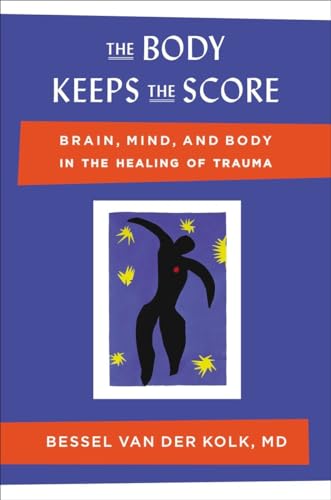


Trauma is not simply a psychological condition that exists in our minds—it is profoundly embedded in our bodies. This groundbreaking exploration reveals how traumatic experiences literally reshape our nervous system, altering the way our brain processes information and how our body responds to the world around us. For anyone who has survived abuse, violence, accidents, war, neglect, or loss, understanding this mind-body connection becomes essential to genuine healing.
The fundamental premise here challenges traditional approaches to mental health treatment. While talk therapy and cognitive approaches have their place, research now demonstrates that trauma affects us on a neurobiological level that words alone cannot reach. When we experience overwhelming events, our brain's threat-detection systems become hyperactive, creating a state of persistent alert that shapes how we interpret every subsequent experience. Our bodies literally remember what our minds cannot always articulate, responding with panic, rage, numbness, or physical pain even when we are no longer in danger.
This exploration takes readers deep into the latest neuroscience findings, explaining how different parts of the brain function and communicate. The survival brain, responsible for instinctive reactions, can become dominant after trauma, essentially hijacking the rational mind's ability to assess real versus perceived danger. Understanding this mechanism is liberating because it helps survivors recognize their seemingly irrational responses not as personal failings but as biological adaptations to genuine threats. A sudden loud noise triggering terror, a particular smell evoking panic, or the inability to be touched—these are not character flaws but evidence of how powerfully our nervous system learns and adapts.
Beyond explanation, readers will discover practical pathways to recovery that address trauma at its source. The book examines various therapeutic approaches with scientific rigor, from neurofeedback and meditation to yoga and theater. These discussions extend beyond theoretical framework into accessible guidance about what actually works and why. The emphasis on somatic therapies—those addressing the body directly—marks a significant departure from talk-only approaches and opens possibilities for those who have found traditional therapy insufficient.
What makes this particularly valuable is its integration of cutting-edge brain imaging research with compassionate understanding of human suffering. Through compelling case studies and clinical examples, readers witness how individuals have reclaimed their lives from the grip of trauma. These stories illustrate that healing is not about forgetting or achieving some "normal" state of being, but rather about integrating traumatic experience into one's life story in ways that restore agency and meaning.
The implications extend far beyond individual healing. This material has profound significance for understanding violence, addiction, self-harm, dissociation, and numerous health conditions that psychiatry has long struggled to address. When we recognize that many behaviors deemed pathological are actually protective responses to genuine threat, we can approach treatment with greater compassion and effectiveness. This shift in understanding matters tremendously for how we treat ourselves and others.
For those on healing journeys, this comprehensive resource validates experiences that often feel shameful or isolating. It explains why certain triggers derail our efforts despite our conscious commitment to moving forward, why willpower alone cannot overcome trauma responses, and why our bodies sometimes seem to have minds of their own. Equally important, it offers evidence-based hope that change is possible through approaches that work with rather than against our neurobiology.
This work represents a convergence of neuroscience, psychology, and compassion that fundamentally reshapes how we understand human resilience and healing. Whether someone is actively recovering from trauma, supporting loved ones in that process, or simply seeking to understand the human capacity for both wounding and restoration, this material provides essential knowledge that transforms suffering into wisdom and creates pathways toward genuine wholeness.