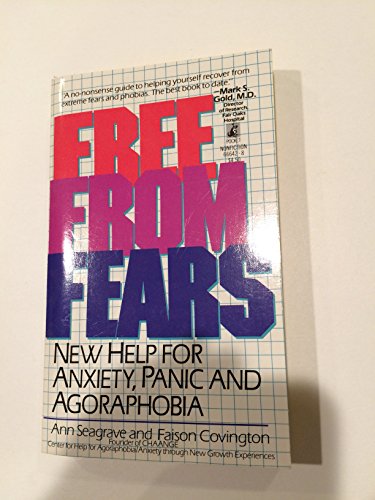
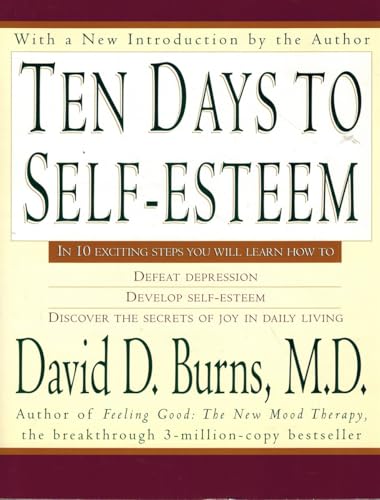
Fear stands as one of the most powerful forces in human experience, yet it remains one of the least understood. Many people navigate their lives constrained by anxieties that limit their potential, damage their relationships, and steal their peace of mind. Whether manifesting as social anxiety, panic attacks, irrational phobias, or generalized worry, fear operates in the background of daily life for millions, often without anyone fully grasping why these feelings persist or what can be done about them.
This exploration into the nature of fear and anxiety offers readers a transformative journey toward genuine freedom. Rather than dismissing fears as weakness or character flaws, this approach recognizes them as signals worth understanding. The foundation of breaking free from fear begins with comprehending its origins, how it becomes embedded in our psychology, and most importantly, what practical strategies can dismantle its hold on our lives.
The human fear response evolved as a protective mechanism, helping our ancestors survive genuine physical threats. However, modern life has complicated this ancient system. Today's fears often stem from psychological sources rather than immediate danger, yet our bodies and minds respond with the same intensity as if facing a predator. This mismatch between our evolutionary programming and contemporary existence creates the anxiety that so many experience. Understanding this disconnect forms the cornerstone of meaningful change.
Throughout this work, readers discover that fear operates through predictable patterns. Anxious thoughts trigger physical sensations, which reinforce the belief that danger exists, creating a self-perpetuating cycle. Breaking this cycle requires intervention at multiple levels simultaneously. The mind, body, emotions, and behaviors all contribute to sustaining fear, and all must be addressed for lasting transformation. This integrated approach acknowledges that no single technique works for everyone, offering instead a comprehensive toolkit from which readers can select strategies matching their unique circumstances and personalities.
Cognitive patterns play a crucial role in maintaining fear. Our minds have remarkable capacity to imagine worst-case scenarios, predict catastrophes, and interpret ambiguous situations as threatening. These thought patterns feel absolutely true in the moment, yet they often reflect distortions rather than reality. Learning to recognize these mental habits and gently redirect them toward more balanced thinking represents a key aspect of liberation from anxiety. Through practical exercises and clear explanations, readers develop the ability to question their fearful thoughts rather than automatically believing them.
Physical manifestations of fear deserve equal attention. Racing heartbeat, shallow breathing, muscle tension, and digestive disturbances create a feedback loop that amplifies anxiety. By learning to calm the nervous system through breathing techniques, progressive relaxation, and mindfulness practices, readers gain tools to interrupt this physiological cascade. When the body calms, the mind naturally follows, creating space for clearer thinking and more balanced responses to life's challenges.
Beyond techniques, this exploration emphasizes the importance of self-compassion and patience. Overcoming deeply ingrained fear patterns takes time. Progress rarely follows a straight line, and setbacks are normal rather than indicators of failure. Readers learn to approach their anxiety with kindness rather than criticism, understanding that harsh self-judgment only strengthens the anxious patterns we seek to change. This compassionate approach creates an internal environment conducive to genuine healing.
The psychological and spiritual dimensions of fear also receive attention. Many anxieties connect to deeper questions about meaning, identity, and mortality. By exploring these existential dimensions, readers often find that surface-level anxiety symptoms point toward more fundamental growth opportunities. Addressing these deeper issues often catalyzes more profound and lasting changes than symptom management alone could achieve.
Freedom from fear represents more than the absence of anxious symptoms. It means reclaiming the ability to live authentically, make choices based on values rather than avoidance, and experience the full richness of human connection and accomplishment. This transformative journey begins with understanding, continues through consistent practice, and culminates in a life characterized by genuine peace and presence. Readers embarking on this exploration discover that freedom is not only possible but accessible through dedicated effort and the right guidance.