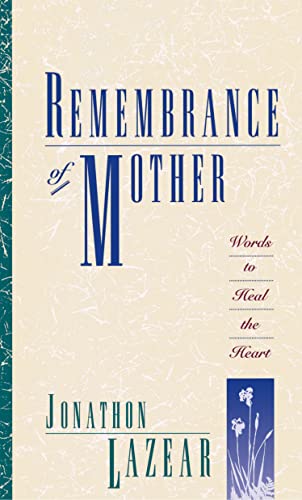
The death of a parent stands among life's most transformative experiences, yet it remains one of the most universally misunderstood passages we traverse. This profound meditation on maternal loss offers readers a pathway through grief that transcends the typical self-help approach, instead inviting us into a deeply personal exploration of how we honor, remember, and ultimately integrate the presence of those who shaped us most fundamentally.
Within these pages lies an intimate examination of the mother-child relationship in all its complexity. Rather than offering formulaic stages of grief or prescriptive healing timelines, this work acknowledges the unique terrain each person must navigate when confronting the absence of the woman who gave us life. The narrative weaves together personal reflection, philosophical inquiry, and practical wisdom, creating a space where readers can examine their own maternal connections with honesty and tenderness.
One of the most valuable aspects of this exploration is its recognition that grief is not something to "get over" but rather something to integrate into our ongoing story. The work invites readers to consider how their mother's influence continues to live within them—through mannerisms inherited without conscious effort, through values imparted in childhood moments now dimly remembered, through the lens with which we view the world. This perspective shift from "moving on" to "moving forward with" transforms how we understand the mourning process itself.
The book delves into the significance of memory as a form of presence. Rather than treating memories as relics of the past, it explores how the act of remembrance keeps our loved ones alive in meaningful ways. Readers will discover how deliberately engaging with memories—revisiting conversations, examining photographs, reflecting on lessons learned—creates a bridge between past and present that honors both where we came from and where we are going.
Throughout this journey, the work addresses the practical and emotional challenges that arise when we lose a mother. How do we navigate Mother's Day? What do we do with her belongings? How do we answer when someone asks about our mother? These tangible questions receive thoughtful consideration, validating the struggles that often go unspoken because they seem too mundane or too painful to discuss openly.
For many readers, this work will resonate as permission to grieve in their own way, on their own timeline. In a culture that often expects us to process loss quickly and privately, finding a voice that honors the depth and duration of maternal grief can be profoundly liberating. The exploration validates the intensity of these feelings while also offering perspective on how such love, expressed through loss, continues to shape our character and consciousness.
The spiritual dimensions of this exploration deserve particular attention. Without adhering to any single religious framework, the work engages with deeper questions about continuity, legacy, and connection that transcend physical death. Readers exploring their own spirituality or seeking to understand their mother's influence on their inner life will find rich material for reflection and growth.
Perhaps most importantly, this meditation serves as an invitation to examine the mother within ourselves—the nurturer, the guide, the voice of wisdom and love that we have internalized. In remembering our mothers, we remember ourselves. We access the parts of our identity that were shaped in their presence and continue to be influenced by their memory.
For anyone navigating loss, seeking to deepen family relationships before it's too late, or exploring the profound impact of maternal love on our becoming, this work offers a compassionate and illuminating companion. It reminds us that remembrance is itself a form of love, and that honoring those who came before us is ultimately a practice in honoring ourselves.