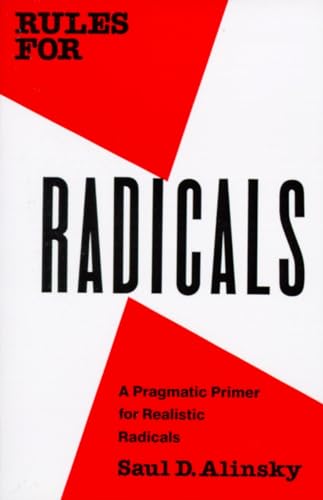
Discover a revolutionary framework for understanding power, organizing communities, and creating meaningful social transformation. This seminal work presents a pragmatic and sometimes provocative exploration of how ordinary people can challenge entrenched systems and build movements that reshape society.
Readers will encounter a philosophy grounded in real-world activism rather than idealistic theory. The text opens a window into the mechanics of community organizing, offering concrete strategies for those frustrated with the status quo and eager to understand how genuine change actually happens. This isn't a book about what should be; it's about what works when everyday citizens decide to take action.
The foundation of this work rests on an unflinching examination of power itself. The author argues that power is neither inherently good nor evil—it simply exists, and understanding its dynamics is essential for anyone seeking to influence their world. Rather than offering moral platitudes about justice, the framework here focuses on practical realities: how to identify leverage points, build coalitions, and create situations where those in authority must respond to organized community pressure. This perspective can be liberating for readers who have felt paralyzed by political cynicism or overwhelmed by systems that seem immovable.
Central to the philosophy presented here is the concept of self-interest as a legitimate and powerful organizing principle. Unlike appeals to abstract altruism, this approach recognizes that people mobilize around issues that directly affect their lives and families. Understanding this human motivation allows organizers to build sustainable movements based on authentic needs rather than imposed agendas. For readers interested in personal growth and social consciousness, this insight validates the importance of honoring both individual needs and collective well-being.
The work provides specific tactical guidance on numerous aspects of community organizing. Readers will learn about the importance of understanding local contexts, identifying indigenous leadership within communities, and creating democratic structures that empower participants rather than concentrate power in a few hands. The emphasis on grassroots leadership development speaks to spiritual values of dignity and self-determination—the belief that ordinary people deserve agency in decisions affecting their lives.
Perhaps most provocatively, the text challenges readers to examine their own assumptions about means and ends. It presents a nuanced discussion of tactics, strategy, and compromise that moves beyond simplistic moral frameworks. Those serious about creating change will find themselves grappling with difficult questions about where ethical lines exist and how ideals must sometimes bend to accommodate political reality. This intellectual rigor makes the work valuable for readers seeking sophisticated understanding rather than comfortable affirmation.
The principles outlined here remain relevant across diverse contexts—from neighborhood organizing to national movements. Whether addressing housing discrimination, environmental destruction, labor exploitation, or political exclusion, the fundamental strategies for building power and demanding accountability remain consistent. Readers will recognize these principles operating in contemporary social movements, providing historical perspective on current activism.
This work matters because it demystifies the process of social change. Many people feel disconnected from political power, assuming that real change happens only through electoral politics or at levels far removed from their influence. This framework demonstrates that ordinary citizens, when organized effectively, possess substantial power to reshape their circumstances and communities. For those experiencing feelings of powerlessness or cynicism about democratic participation, this represents a refreshing alternative to either apathy or despair.
The practical wisdom here bridges personal and political dimensions of transformation. By understanding how power operates and how to organize collectively, readers can move from feeling victimized by circumstances toward becoming agents of change. This shift in consciousness—from passive observer to active participant—represents genuine spiritual and psychological growth.
This essential guide remains a touchstone for anyone serious about understanding how social movements develop and how ordinary people can become architects of their own futures.