
Happiness & Success
Achieving Happiness Through Acceptance of Life
The quest for happiness often leads to frustration, as many fail to realize that the...








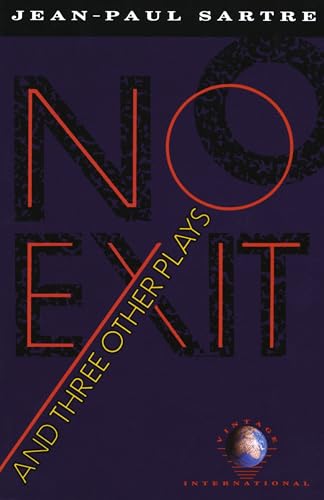
# Existential Theater as a Mirror to Human Freedom and Responsibility
Four philosophical dramas await readers ready to confront the most unsettling and liberating truth about human existence: we are fundamentally free, and that freedom comes with inescapable responsibility. This collection represents some of the most provocative theatrical explorations of existential philosophy ever written, transforming abstract concepts about freedom, authenticity, and self-deception into compelling human conflicts that resonate with modern life.
Through these plays, you'll encounter characters trapped not by external circumstances, but by their own choices, beliefs, and refusal to acknowledge their freedom. Each work functions as both entertainment and philosophical investigation, inviting you to examine the ways you might be deceiving yourself about your own autonomy and the choices that shape your life.
Read more ▼
Rowan Jacobsen

The Life of the Creative Spirit
H. Charles Romesburg
Deepak Chopra

The enlightened smoker's guide to quitting
B. Jack Gebhardt, Bear Jack Gebhardt
The quest for happiness often leads to frustration, as many fail to realize that the...

Reaching sixty can evoke complex emotions, blending relief with ongoing ambition. This...

The quest for life's purpose often leads to unsatisfactory answers. This article...

Imagine going through one of the most physically and emotionally demanding experiences...

Romantic love is a complex emotion shaped by historical, cultural, and biological...

Daily actions often conflict with personal beliefs due to past experiences. By utilizing...

Have you ever argued over something that wasn't actually said? From cultural differences...

Therapists often use dream interpretation to delve into patients' emotions, but true...