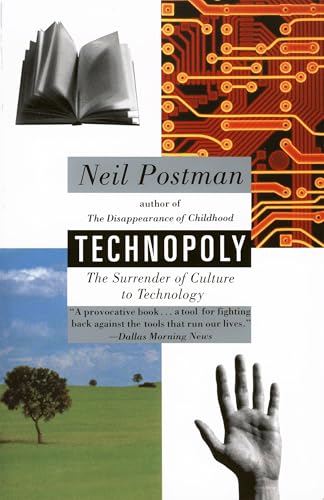

We live in an age where technology isn't simply a tool we use—it has become the fundamental lens through which we see reality itself. From the moment we wake and check our smartphones to the algorithms that curate our news feeds and shape our beliefs, technology has infiltrated every aspect of human existence. Yet most of us have never truly examined what this means for our minds, our relationships, our spirituality, and our capacity for genuine human connection.
This groundbreaking exploration challenges us to recognize that we've entered a new cultural phase where technology isn't merely present in our lives—it has become the organizing principle of our entire civilization. The work examines how we've transitioned from a society that used technology as a means to achieve human goals, into something fundamentally different: a culture where technology itself has become the goal, and human needs have been reshaped to fit technological requirements.
The central insight here is revolutionary for personal empowerment: understanding that you are not simply a passive consumer of technology, but rather someone living within a system that actively reconstructs your perception of reality, your values, and your sense of what matters. This isn't presented as a doomsday scenario, but as an urgent call to consciousness and awareness. When you understand how something works, you gain the power to choose your relationship with it rather than remaining unconsciously dominated by it.
One of the most compelling aspects of this work involves examining how the digital age has fundamentally altered the way we think. Traditional literacy taught people to think in linear, sequential, and hierarchical ways—to follow arguments from beginning to end, to understand cause and effect relationships, and to engage in deep, sustained concentration. Modern technology encourages fragmented thinking, rapid context-switching, and the acceptance of information without necessarily understanding its deeper meaning or validity. For anyone seeking genuine personal transformation, recognizing these shifts in your own consciousness is the first step toward reclaiming your mental autonomy.
The work also addresses a spiritual dimension that often goes unspoken in technology discussions. Many spiritual traditions emphasize presence, silence, contemplation, and connection to something beyond the material world. Yet our technological infrastructure is explicitly designed to eliminate silence, to fragment presence into countless micro-moments of distraction, and to direct our attention toward measurable, quantifiable, material outcomes. Understanding this conflict helps explain why many spiritually-oriented individuals feel a deep unease despite living in unprecedented material comfort and access to information.
Another crucial revelation involves recognizing how technology redefines human needs and desires. Marketing and technological development don't simply respond to existing human wants—they actively create new needs. This perpetual cycle of artificial desire generation keeps consciousness focused outward and prevents the inward reflection necessary for genuine growth. By becoming aware of this process, you can begin to distinguish between authentic personal desires and manufactured wants implanted through constant technological messaging.
The exploration also emphasizes that resistance to technology isn't the answer. Rather, the path toward genuine empowerment involves what might be called "technological consciousness"—a clear-eyed understanding of what technology can and cannot do, what it gains us and what it costs us. This allows you to make deliberate choices about your relationship with technological systems rather than drifting passively into complete technological dependence.
For readers committed to personal growth and social consciousness, this work provides essential intellectual tools for understanding the invisible forces shaping modern life. It reveals why meditation feels increasingly difficult, why sustained attention has become rare, why community has fragmented, and why many people feel spiritually empty despite material abundance. Most importantly, it provides the foundation for reclaiming agency over your own consciousness and choosing a more intentional relationship with the technological systems that surround us.