# Understanding Modern Childhood: A Critical Examination of What We're Doing Wrong
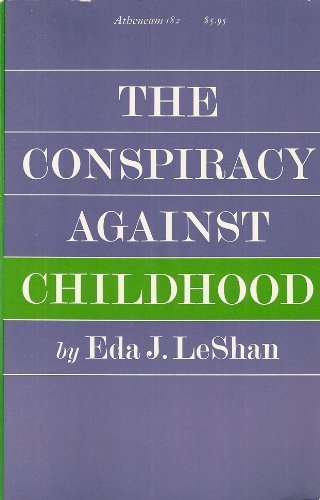
Discover a groundbreaking exploration of how modern society has fundamentally misunderstood childhood and the profound consequences of this misunderstanding. This seminal work challenges the prevailing assumptions that shaped parenting and education in the late twentieth century, offering readers a chance to examine their own beliefs about what children truly need to flourish.
The central argument presented here is both urgent and compelling: contemporary culture has constructed an elaborate conspiracy, not necessarily intentional, but deeply damaging nonetheless, against the natural development of children. This conspiracy manifests in multiple ways—through the commercialization of childhood, the acceleration of growing up, the professionalization of parenting, and the removal of children from genuine human experience. The book invites you to see how well-meaning adults have inadvertently created systems and attitudes that work against children's authentic development and their capacity for genuine happiness.
One of the most valuable insights you'll encounter is the examination of how children are expected to become miniature adults almost from birth. Modern society pressures young people to achieve academic excellence, develop sophisticated social skills, and navigate complex emotional landscapes far before they're developmentally ready. This premature acceleration creates anxious, overscheduled individuals who have missed the essential developmental work of childhood itself. By understanding this pattern, parents and caregivers can begin to question whether the path they've chosen for the children in their lives actually serves those children's best interests.
The book explores how consumerism has infiltrated childhood in unprecedented ways. Children are no longer allowed to be children but are instead treated as consumers from infancy, their desires shaped by sophisticated marketing, their identities increasingly tied to material possessions. This commodification of childhood strips away the imaginative play, unstructured time, and simple joys that historically characterized the early years. You'll gain insight into how breaking free from consumer culture can actually enhance your child's development and your relationship with them.
A particularly transformative section addresses the role of parents and educators in perpetuating these damaging patterns. Rather than blame, this examination offers liberation. When you understand how cultural pressures have shaped your own parenting choices, you gain the power to make different decisions. You'll discover how your own childhood experiences inform your current approach and how awareness can lead to genuine change in your family relationships.
The text also delves into the importance of allowing children to experience boredom, failure, and natural consequences—experiences that have become increasingly rare in our protective, achievement-focused culture. These seemingly negative experiences are actually crucial for developing resilience, creativity, and authentic problem-solving abilities. By learning to tolerate your own anxiety about your child's struggles, you help them develop the inner resources necessary for genuine well-being.
What makes this work particularly relevant is its spiritual dimension. The conspiracy against childhood is, at its heart, a disconnection from the natural rhythms of human development and from our deepest values about what matters. By examining this conspiracy, readers embark on a journey toward more conscious, intentional relationships with the young people in their lives. You'll be challenged to ask what really matters: achievement or connection, accumulation or experience, control or trust.
This exploration ultimately serves as an invitation to reimagine childhood and your role within it. Whether you're a parent, educator, or simply someone concerned about the direction of our culture, this work provides both diagnosis and hope. It demonstrates that by understanding what has gone wrong, we possess the power to create something better. By the end, you'll see childhood and your relationships with young people through entirely new eyes, equipped with the wisdom to make choices that honor their humanity and foster their genuine flourishing.