# Understanding Progressive Taxation and Its Role in Creating a More Equitable Society
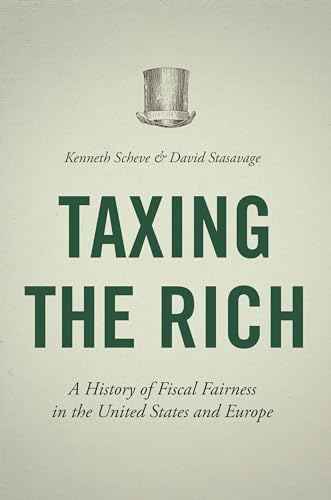
Discover how wealth distribution systems shape our collective future and what this means for creating the society we truly want to live in. This compelling exploration delves into one of the most contentious political and economic questions of our time: how should societies structure their tax systems to balance individual prosperity with collective well-being?
For those committed to personal growth and social consciousness, understanding the mechanisms of wealth distribution is essential. These systems don't operate in abstract economic theory alone—they directly impact how resources flow through our communities, determine who has access to education and healthcare, and influence the kind of world we're building for future generations. This work offers a thoughtful, evidence-based perspective on progressive taxation that moves beyond partisan talking points to examine the deeper principles at stake.
The exploration begins by acknowledging a fundamental truth: people across the political spectrum care deeply about fairness. Whether you lean toward conservative or progressive ideals, concerns about justice, individual effort being rewarded, and communities thriving are universal. The question isn't whether fairness matters—it's how we define it and implement it through policy. This work respects that complexity, presenting historical data and international comparisons that help readers think more clearly about what they actually believe.
What makes this examination particularly valuable for anyone seeking greater social consciousness is its grounding in historical reality. Readers discover that high marginal tax rates on the wealthy are not radical modern inventions. During the mid-twentieth century, many developed nations maintained significantly higher tax rates on top earners than we see today, yet still experienced remarkable economic growth, innovation, and prosperity. This historical perspective challenges us to question narratives we may have accepted without scrutiny and to consider whether current tax structures reflect conscious choices or simply inherited assumptions.
The work also illuminates the psychological and social dimensions of wealth inequality. When gaps between rich and poor grow too wide, societies experience measurable increases in social problems—from decreased social trust to reduced mental health outcomes. By understanding how tax policy connects to these broader social patterns, readers gain insight into why questions of economic fairness matter so profoundly for collective well-being. This isn't merely about charity or guilt; it's about recognizing that we're all interconnected and that extreme inequality harms everyone, regardless of income level.
For those engaged in personal empowerment work, a crucial insight emerges: understanding systemic issues doesn't diminish individual responsibility or agency. Rather, it clarifies the context within which we live and make choices. You can simultaneously believe in hard work and personal accountability while recognizing that tax structures and social systems profoundly influence individual outcomes. This more nuanced perspective empowers us to advocate thoughtfully for systems that align with our values while maintaining respect for different viewpoints.
The work carefully examines global comparisons, showing how different wealthy nations approach taxation and what outcomes result. Rather than prescribing a single solution, it presents evidence that multiple approaches can work, but each involves different trade-offs and reflects different values. This analytical approach helps readers develop their own informed perspective rather than simply accepting predetermined conclusions.
Perhaps most importantly for seekers of greater consciousness, this exploration invites us to examine our own beliefs about wealth, fairness, and community responsibility. What do we believe the wealthy owe society? What creates a truly healthy community? How do our personal values translate into systemic preferences? These aren't merely academic questions—they're invitations to deeper self-knowledge and clearer alignment between our values and our civic participation.
By engaging with this material, you develop greater sophistication in thinking about one of society's most important challenges, contributing to more conscious citizenship and more authentic engagement with the world around you.