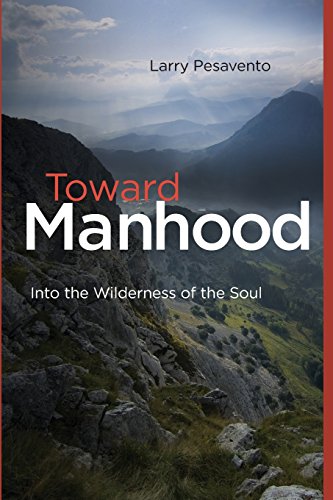



Discovering what it truly means to be a man in the modern world requires more than superficial definitions or inherited assumptions passed down through generations. This transformative guide explores the deeper dimensions of masculine development, moving beyond stereotypes to examine how men can cultivate genuine maturity, emotional intelligence, and meaningful participation in their communities and democratic societies.
The exploration begins with a fundamental question: what does authentic manhood look like in contemporary culture? Rather than accepting rigid paradigms that have historically confined masculine expression, this work invites readers to examine the multifaceted nature of adult male development. The journey acknowledges that becoming a man is not a single event marked by a birthday or ritual, but rather an ongoing process of psychological, emotional, and spiritual growth that extends throughout a lifetime.
Central to this transformative journey is the examination of emotional literacy and relational capacity. Many men grow up in environments that discourage emotional expression, mistaking vulnerability for weakness and self-sufficiency for independence. This exploration challenges those limiting beliefs, demonstrating how emotional awareness and authentic connection form the foundation of mature masculinity. Readers will discover how developing these capacities doesn't diminish strength but rather amplifies it, creating men who can lead with both conviction and compassion.
The work also addresses the critical relationship between personal development and civic engagement. A truly mature man recognizes his responsibility not only to himself and his immediate relationships but also to the broader community and democratic society in which he lives. This perspective is particularly relevant in contemporary times, when political polarization and civic disengagement threaten social cohesion. The guidance presented here illuminates how personal growth connects directly to the capacity for meaningful democratic participation, informed decision-making, and constructive engagement with those who hold different perspectives.
Throughout these pages, readers will encounter practical wisdom about navigating life's major transitions and challenges. Whether facing career decisions, relationship dynamics, questions of identity, or uncertainty about one's place in the world, the insights offered provide a framework for thoughtful reflection and intentional growth. Rather than offering simplistic solutions, this material respects the complexity of human development and acknowledges that meaningful transformation requires patience, self-awareness, and genuine commitment to change.
The importance of this work cannot be overstated in an era marked by significant social and political challenges. Men who have not fully developed emotionally or spiritually often lack the capacity for nuanced thinking, collaborative problem-solving, and empathetic engagement with others. These deficits manifest not only in personal relationships but also in the political sphere, where immature masculine expression can contribute to polarization, aggression, and an inability to listen to opposing viewpoints. Conversely, men who have undertaken serious inner work bring greater wisdom, stability, and constructive energy to their communities and to democratic discourse.
This exploration serves multiple audiences effectively. Young men seeking to understand their emerging identity will find invaluable guidance for navigating the complexities of adulthood. Older men questioning whether they have fully developed will discover it's never too late to deepen self-understanding and expand emotional capacity. Partners, parents, and friends of men will gain insight into the challenges males face and the pathways toward greater maturity. Educators and leaders interested in fostering positive male development will find both conceptual frameworks and practical wisdom applicable to their work.
The ultimate promise of this transformative journey is not perfection but rather continuous growth toward greater authenticity, integrity, and contribution. Readers who engage genuinely with the material will emerge with clearer understanding of who they are, who they wish to become, and how their personal development directly serves the larger communities and democratic societies to which they belong. In cultivating more mature, emotionally intelligent, and civically engaged men, we collectively strengthen the foundation of our shared social fabric and democratic institutions.