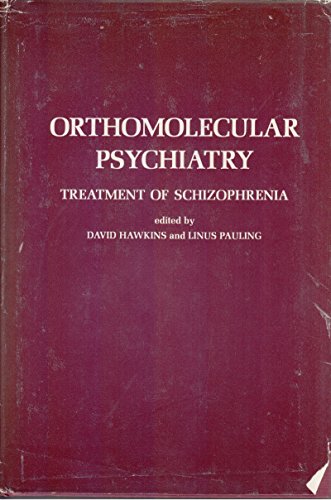
When mental illness strikes, conventional approaches often leave people feeling trapped in a cycle of symptoms, medications, and limited hope for genuine recovery. A groundbreaking exploration of schizophrenia and psychiatric treatment opens an entirely new doorway to understanding the biochemical foundations of mental health and the possibility of meaningful therapeutic intervention through nutritional and orthomolecular approaches.
This pioneering work challenges the prevailing psychiatric paradigm of its era by investigating how nutritional imbalances and biochemical factors contribute to severe mental disorders. Rather than accepting schizophrenia as an inevitable life sentence, readers discover a comprehensive examination of how the body's chemistry directly influences mental function, emotional stability, and psychological well-being. The exploration is both scientifically rigorous and profoundly hopeful, offering individuals and families a fresh perspective on what has traditionally been viewed as an untreatable condition.
The foundation of this approach rests on a simple but revolutionary premise: the mind and body are inseparably connected through biochemical processes. Just as a deficiency in vitamin C can lead to scurvy, certain nutritional and biochemical imbalances can contribute to psychiatric symptoms. By understanding these underlying physical foundations, treatment can address root causes rather than merely suppressing symptoms with pharmaceutical interventions. This represents a fundamental shift in how we conceptualize mental illness and recovery.
Readers will gain detailed insights into the biochemical theories of schizophrenia that have emerged from clinical observation and research. The book explores how amino acids, vitamins, minerals, and other nutritional factors influence neurotransmitter function, brain chemistry, and ultimately, thought patterns and emotional states. This knowledge empowers individuals to become active participants in their own healing rather than passive recipients of treatment. Understanding the "why" behind symptoms creates space for genuine transformation and hope.
For those seeking alternatives to conventional psychiatric treatment, or those looking to complement existing therapies, this work provides a thoroughly researched foundation. Families struggling with a loved one's diagnosis will find validation that recovery is possible and that investigating nutritional and biochemical factors represents a legitimate and important therapeutic avenue. Mental health professionals will discover compelling evidence for expanding their treatment toolkit beyond pharmaceutical interventions alone.
The clinical evidence presented demonstrates how patients have experienced remarkable improvements through orthomolecular treatment protocols. These aren't miracle claims or wishful thinking but rather documented cases showing how targeted nutritional intervention can reduce or even eliminate symptoms that previously seemed permanent. This evidence-based approach respects both scientific rigor and human potential for healing and transformation.
What makes this perspective particularly valuable for our contemporary moment is its emphasis on treating the whole person rather than fragments. A psychiatry grounded in nutritional science recognizes that the body's physical health directly supports mental and emotional well-being. This integrated view aligns with growing understanding that genuine health transformation requires attention to diet, nutrition, biochemistry, lifestyle, and consciousness itself.
The exploration also raises important questions about institutional medicine and the need for broader perspectives in psychiatric treatment. Readers are invited to think critically about conventional approaches while remaining grounded in scientific evidence. This balance between scientific skepticism and openness to new possibilities creates space for genuine insight and transformation.
Whether you're personally navigating mental health challenges, supporting someone in crisis, or seeking to understand the deeper biochemical foundations of consciousness and mental function, this work offers invaluable perspective. It demonstrates that schizophrenia and other psychiatric conditions need not be lifelong death sentences, and that by attending carefully to the body's nutritional and biochemical needs, remarkable healing becomes possible.