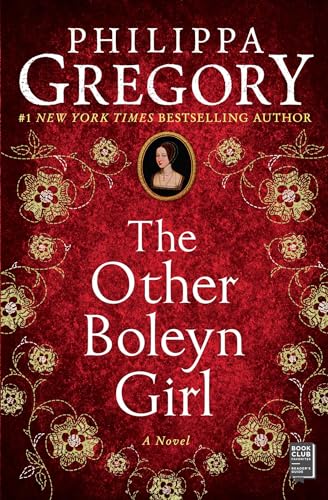

Imagine being born into a world where your value is measured entirely by your ability to attract and maintain the attention of a king. Imagine having your entire life trajectory determined not by your talents, desires, or character, but by the strategic calculations of your family. This riveting historical narrative explores the lives of two sisters in Tudor England whose choices, ambitions, and sacrifices reveal profound truths about power, identity, and what it means to survive in a system that treats women as disposable commodities.
The story centers on two sisters at the court of King Henry VIII during one of history's most tumultuous periods. While one sister captures the king's attention and seemingly achieves the ultimate prize of becoming queen, the other sister navigates the shadows, making sacrifices that go largely unrecognized by history. Through their intertwined fates, readers encounter a meditation on ambition, rivalry, compromise, and the hidden costs of power that resonates far beyond the sixteenth century.
What emerges from this narrative is a complex exploration of female agency in a world designed to deny it. The sisters face impossible choices: accept their assigned role as pawn in their family's game of advancement, or attempt to carve out autonomy in a system fundamentally opposed to female independence. Their decisions illuminate the timeless tension between personal desire and family obligation, between climbing the ladder of success and maintaining one's integrity, and between chasing external validation and discovering inner worth.
One of the most valuable aspects of this historical examination is how it reveals the psychology of ambition and its consequences. The sisters must navigate not only the obvious dangers of court politics and the king's mercurial temperament but also the more insidious dangers of jealousy, competition, and the erosion of sisterly bonds. Readers will recognize these dynamics in contemporary contexts: the ways that systems pitting women against each other diminish collective power, how internalized competition can fracture relationships that should be alliances, and how desperately chasing external success can cost us our most important connections.
The narrative also addresses themes of identity and reinvention. Both sisters must constantly perform, manipulate their public personas, and suppress their authentic selves to survive and advance. This raises profound questions about the self: When we spend our lives being what others require us to be, who are we really? How much of ourselves must we sacrifice to succeed in an external game? At what point does strategic compromise become a betrayal of our own souls?
Perhaps most importantly for those seeking personal growth, this story demonstrates the power of perspective and self-awareness. It asks readers to consider what we truly want versus what we think we should want. It challenges us to examine whether we are living for ourselves or for the approval of others. It invites reflection on how systems of power operate whether in courts centuries ago or in modern institutions, families, and professional environments.
The narrative unfolds through dual perspectives, allowing readers to inhabit both sisters' consciousness and understand their different choices and rationalizations. This dual viewpoint teaches empathy and the recognition that people making destructive decisions often believe they are justified, even noble. It demonstrates how context shapes choice, how circumstances constrain freedom, and how the stories we tell ourselves about our own behavior become the narratives we live by.
For readers committed to personal empowerment and conscious living, this historical exploration offers unexpected wisdom. It illustrates how power dynamics operate, how systems maintain control through dividing and competing factions, and how individual choices reverberate through relationships and history. It challenges readers to question inherited assumptions about success, to recognize the costs of climbing ladders built by others, and to consider what true empowerment actually means when external validation is unstable and unreliable.
This compelling narrative ultimately serves as a mirror for contemporary life, reflecting back our own struggles with authenticity, ambition, belonging, and self-definition.