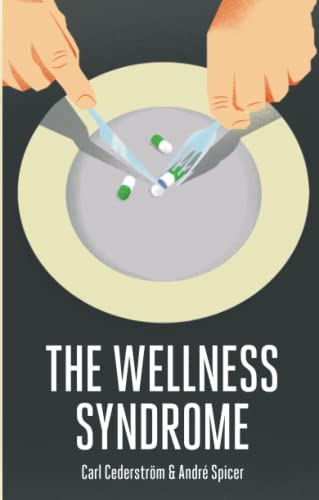
In contemporary society, we find ourselves caught in an unprecedented cultural phenomenon where health has become more than a biological state—it has transformed into a comprehensive lifestyle ideology that shapes how we think, spend our money, and structure our daily lives. This exploration examines the paradoxical nature of modern wellness culture and reveals how our relentless pursuit of perfect health may actually be undermining our wellbeing in unexpected ways.
The wellness movement promises liberation and self-improvement through careful attention to diet, exercise, mindfulness, and personal development. From green juices to meditation apps, from CrossFit gyms to wellness retreats, we are offered endless opportunities to optimize ourselves. Yet beneath this utopian vision lies a troubling reality: the wellness industry has become a mechanism of control that generates anxiety even as it promises peace, creates inadequacy even as it promotes self-acceptance, and produces inequality even as it celebrates individual empowerment.
Readers will discover how wellness culture functions as a deeply normative system that judges individuals not just on their health outcomes, but on their moral character. When someone suffers from obesity, illness, or depression, they are increasingly viewed not merely as unfortunate but as failing in their personal responsibility. The narrative of wellness positions health as entirely within individual control, conveniently obscuring the structural, economic, and social factors that genuinely determine health outcomes. This shift places the burden squarely on the shoulders of individuals, transforming what should be collective responsibilities into matters of personal blame.
The exploration challenges the notion that more wellness is always better. It reveals how the wellness industry profits from cultivating insecurity and perpetual self-doubt. Just when you master one health trend, another emerges to convince you that your current approach is inadequate. This creates an exhausting cycle where wellness becomes less about genuine wellbeing and more about chasing an impossible standard of perfection. The reader will recognize how this endless pursuit actually generates suffering rather than alleviating it.
Furthermore, this examination exposes the deeply elitist dimensions of wellness culture. Wellness is expensive. Personal trainers, organic produce, yoga classes, wellness coaching, and health technology require disposable income that most people lack. This means that the promise of wellness through personal effort is available primarily to the privileged, yet it is marketed as universally achievable. This creates a false meritocracy where health disparities are reframed as the result of individual lifestyle choices rather than structural inequality.
The analysis also explores how wellness ideology infiltrates workplaces and education systems. Organizations increasingly monitor and incentivize employee wellness, blurring the boundaries between personal health and corporate control. Schools implement wellness programs that often shame students about their bodies. In both contexts, wellness becomes a tool for enhancing productivity and conformity rather than supporting genuine human flourishing.
What makes this critique particularly valuable is that it does not dismiss the importance of health or the genuine benefits of practices like exercise and meditation. Rather, it invites readers to think more critically about how wellness culture functions in their own lives. Are they engaging in health practices because these genuinely serve their wellbeing, or because they feel compelled by cultural expectations and anxieties cultivated by the wellness industry? Are they pursuing health in ways that honor their authentic needs, or in ways that replicate the patterns of self-optimization and self-judgment that characterize contemporary capitalism?
This work ultimately offers readers a pathway toward a more critical and compassionate relationship with health. By understanding how wellness culture operates, we can reclaim health as something more than a personal project and recognize it as fundamentally intertwined with social justice, structural change, and genuine human connection. The most liberating insight may be that true wellbeing requires stepping back from the relentless pursuit of self-improvement and embracing a more integrated, accepting approach to living.