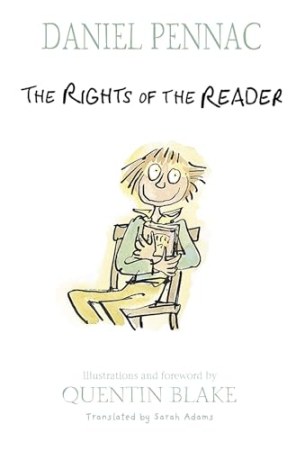
Discover a liberating philosophy that transforms how you relate to one of humanity's most fundamental activities. Within these pages lies a passionate defense of reading as a personal right rather than an obligation, a declaration of independence for anyone who has ever felt pressured, guilty, or inadequate about their reading habits.
Reading is often shrouded in expectations. We're told which books we should read, how we should read them, how quickly we should finish them, and what we should gain from the experience. Teachers assign classics we must complete. Book clubs dictate choices. Critics declare certain works essential. Society whispers that not reading enough somehow reflects poorly on our intelligence or culture. These external demands transform what could be a source of pure pleasure into a source of stress and shame.
This powerful manifesto challenges every assumption you've internalized about reading. It proposes a radical idea: you have the right to read on your own terms. You have the right to choose what you read without judgment. You have the right to skip chapters, abandon books that don't serve you, read the ending first, or return to beloved stories repeatedly. You have the right to read quickly or slowly, to read nothing at all, to read only magazines, to read only one genre, or to dive into seemingly contradictory selections. Most importantly, you have the right to read purely for the joy of it.
This declaration arrives as a breath of fresh air for those who have experienced the peculiar guilt associated with reading. Many adults have internalized messages from childhood about reading being educational, improving vocabulary, or building character. These worthy goals can overshadow the simple truth: reading is fundamentally a pleasure. When we remove the performance aspect and the need to prove ourselves through our reading choices, something magical happens. We remember why we fell in love with stories in the first place.
The framework presented here recognizes that reading serves different purposes at different times in our lives. Sometimes we read for escapism and entertainment. Sometimes we read for genuine growth and understanding. Sometimes we read to pass time. All of these purposes are equally valid. A person who reads one mystery novel a year has just as much right to call themselves a reader as someone who devours fifty books annually.
This philosophy becomes particularly transformative for those who struggled with reading in school or who carry shame about their reading levels. It offers permission to abandon the notion that there's a "correct" way to read or a hierarchy of reading that determines your worth. Whether you prefer graphic novels, poetry, non-fiction, romance, science fiction, or technical manuals, your reading choices are valid.
Beyond the defense of reading pleasure, this exploration touches on something deeper about personal autonomy and self-determination. It models a way of thinking that applies far beyond books. If you can claim the right to read what you want, when you want, and how you want, what other rights might you claim in your life? What other expectations have you internalized that no longer serve you? Where else have you surrendered your own preferences to external judgment?
This manifesto empowers readers to trust their own instincts and preferences. It validates taking breaks from reading. It celebrates re-reading favorite books multiple times. It honors the simple act of being entertained. It reclaims reading as a personal right rather than a cultural obligation or a measure of intellectual superiority.
For anyone seeking to align their life more authentically with their own desires and values, this exploration of reading as a right offers both practical permission and a philosophical foundation for personal empowerment. It reminds us that joy matters, pleasure is valid, and what we choose to do with our time and attention is fundamentally our own decision.