

The human desire to shape ourselves and others stands at the heart of personal transformation. At its core lies a fascinating psychological question: What happens when we try to mold someone into our vision of who they should be? This exploration delves deeply into the dynamics of influence, identity formation, and the complex relationships we create when we assume the role of mentor, guide, or architect of another person's becoming.
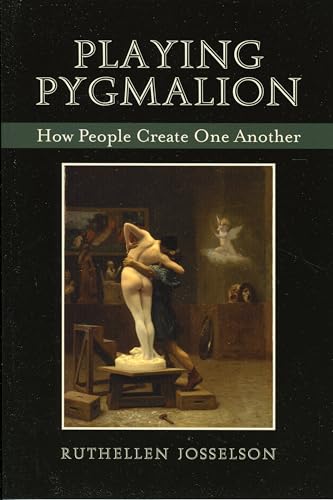
The classical myth of Pygmalion—the sculptor who falls in love with his own creation—provides a powerful lens for examining modern relationships. When we update this ancient story for contemporary life, we discover it plays out in countless ways: the parent shaping a child's future, the therapist guiding a client toward healing, the mentor developing a protégé, the romantic partner hoping to inspire personal growth in their loved one. In each scenario, someone takes on the role of creator, attempting to influence another person's development, identity, and potential.
Understanding these dynamics matters profoundly for anyone committed to personal growth and conscious relationships. We all occupy both sides of this dynamic at different times in our lives. Sometimes we are the Pygmalion—the one with a vision, the one offering guidance, the one hoping to catalyze transformation in someone we care about. Other times, we are the creation—the person being shaped, influenced, and molded by those around us. Recognizing which role we're playing in any given relationship brings awareness and intention to our interactions.
This exploration examines what happens when influence crosses into projection. It illuminates the difference between supporting someone's authentic becoming and unconsciously imposing our own unfulfilled dreams onto them. Readers will discover why our intentions, however loving, sometimes create unexpected consequences. The well-meaning parent who pushes a child toward a prestigious career path the child doesn't want. The partner who believes their love can fix someone who isn't ready or willing to change. The mentor whose investment in a student's success becomes about the mentor's own need to feel important. These scenarios reveal how the Pygmalion dynamic operates in our intimate relationships and professional connections.
The psychological insights presented here address a crucial gap in personal development literature. Most growth work focuses on transforming ourselves, which is essential and valuable. Yet we rarely examine our relational patterns and the subtle ways we attempt to shape those around us. This is where real transformation deepens. When we become conscious of our Pygmalion tendencies—our desires to improve, fix, mold, or create in others—we simultaneously unlock greater freedom in ourselves and healthier dynamics in our relationships.
Readers will gain practical understanding of how identity forms in relational contexts. The book reveals how the people around us reflect back to us who they believe we are, and how this reflected image shapes our sense of self. For those in helping professions, parental roles, or intimate partnerships, this knowledge is transformative. It allows us to hold our visions for others more lightly while maintaining authentic investment in their wellbeing.
This material ultimately serves personal empowerment by addressing the intersection of individual autonomy and relational influence. The true gift lies in learning to support authentic growth in others without imposing our own agendas. This requires developing greater self-awareness about our own unmet needs, unfulfilled ambitions, and hidden desires to create meaning through others. As we become more conscious of these patterns, we free ourselves from unconscious relational patterns and enable deeper, more authentic connections.
For anyone seeking to transform their relationships and deepen their personal growth work, understanding the Pygmalion dynamic proves invaluable. It bridges the gap between individual psychology and relational wisdom, offering readers tools for becoming conscious creators of their own lives and more ethical influences in the lives of those they love.