
Happiness & Success
Achieving Happiness Through Acceptance of Life
The quest for happiness often leads to frustration, as many fail to realize that the...








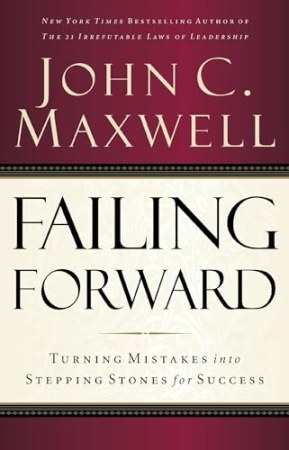
# Transforming Failure Into Your Greatest Teacher and Catalyst for Growth
Failure is perhaps one of the most universally feared experiences in human life, yet it remains one of the most misunderstood. Most people view failure as a final destination, a permanent mark of inadequacy that defines their worth and potential. This foundational misunderstanding keeps countless individuals trapped in cycles of fear, hesitation, and unrealized potential. The perspective presented here offers a radically different approach to understanding setbacks, mistakes, and apparent defeats, reframing them not as endpoints but as essential waypoints on the path to meaningful achievement and personal transformation.
The fundamental premise challenges the cultural narrative that success comes to those who never stumble or misstep. Instead, the exploration reveals that virtually every person who has achieved significant success has experienced multiple failures along the way. What distinguished these achievers was not the absence of failure in their lives but rather their willingness to view failure differently and to extract valuable lessons from these experiences. This shift in perspective is not merely philosophical musing but a practical framework that can be applied to any area of life, from career advancement to relationships, health initiatives, and personal development.
Read more ▼
Paulo Coelho

Yascha Mounk

Cecile Andrews

Timothy Snyder
The quest for happiness often leads to frustration, as many fail to realize that the...

Reaching sixty can evoke complex emotions, blending relief with ongoing ambition. This...

The quest for life's purpose often leads to unsatisfactory answers. This article...

Romantic love is a complex emotion shaped by historical, cultural, and biological...

Imagine going through one of the most physically and emotionally demanding experiences...

Daily actions often conflict with personal beliefs due to past experiences. By utilizing...

Have you ever argued over something that wasn't actually said? From cultural differences...

Therapists often use dream interpretation to delve into patients' emotions, but true...