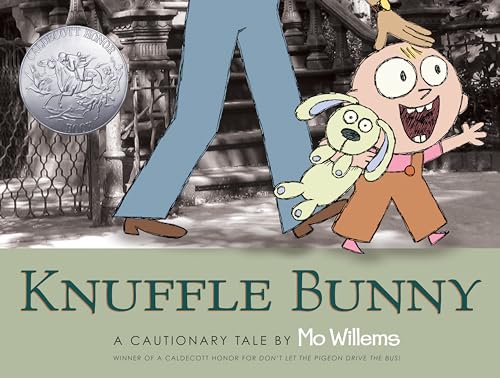

This deceptively simple picture book offers profound lessons about vulnerability, the power of authentic communication, and the courage required to advocate for what matters most to us. Published in 2004 as a groundbreaking work in children's literature, this story resonates deeply with readers of all ages who are navigating personal transformation and seeking to understand the hidden strengths within their everyday lives.
At its heart, the narrative follows a young child who experiences the loss of something precious and beloved. Rather than being told the story of what happened, readers are taken on a visual and emotional journey that mirrors the child's own experience of discovery, confusion, and ultimately, empowerment. The protagonist begins as a non-speaking character, observing the world around them without the ability to express needs or feelings verbally. This silent beginning serves as a powerful metaphor for anyone who has felt voiceless, unheard, or unable to articulate their deepest concerns.
The real transformation occurs when the child is faced with a crisis that demands action. Confronted with a situation that cannot be ignored or passively accepted, the young protagonist must find their voice and speak up. This pivotal moment speaks to a universal human experience: the recognition that silence, while sometimes necessary or comfortable, cannot always serve us. There comes a time when personal empowerment requires us to communicate, to make ourselves heard, and to refuse to accept circumstances we cannot live with.
What makes this work particularly relevant for readers interested in personal growth is how it portrays the mechanics of being heard. The child must repeat their message multiple times, with increasing urgency and clarity. They must navigate the skepticism and distraction of adults absorbed in their own concerns. They must learn that authentic communication sometimes requires persistence, emotional honesty, and a willingness to be vulnerable about what we truly need. These are lessons that apply directly to adult experiences of assertiveness, setting boundaries, and reclaiming agency in relationships and situations.
The visual storytelling style—using photographs, illustrations, and minimal text—creates an immersive experience that transcends typical narrative structures. This approach allows readers to project their own experiences of loss and recovery onto the story. Those who have experienced grief, betrayal, or powerlessness will recognize the emotional terrain being mapped. The unconventional format also serves as a reminder that personal empowerment doesn't always come through words alone; sometimes it emerges through our actions, our persistence, and our willingness to show up repeatedly for what matters.
Another significant theme woven throughout is the restoration of connection and trust. The child's bond with a caregiver is tested and ultimately strengthened through the crisis. This speaks to how vulnerability and authentic communication can deepen relationships rather than damage them. It challenges the often-held belief that expressing our needs or frustrations will push others away. Instead, the narrative demonstrates that being genuinely heard and responded to creates deeper intimacy and mutual understanding.
For readers on a personal growth journey, this work offers validation for several essential insights. First, it affirms that loss and challenge are gateways to discovering our own strength and voice. Second, it normalizes the struggle inherent in being heard and understood. Third, it celebrates the courage required to keep communicating until we achieve understanding. Finally, it demonstrates that in moments when we must choose between comfort and integrity, choosing to speak our truth is an act of profound self-love and empowerment.
This is a book about becoming unstuck, about refusing to accept situations passively, and about the liberating power of finding and using your voice. It teaches that within every person lies the capacity to advocate for themselves and what they cherish most.