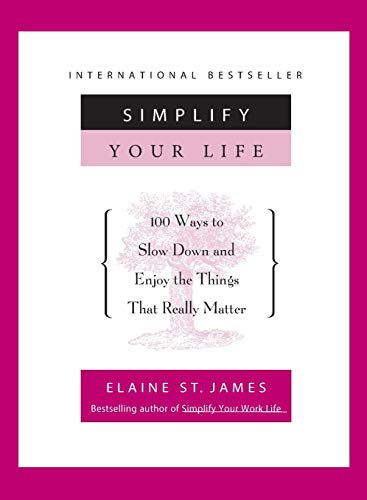
In our modern world of endless accumulation and perpetual busyness, the philosophy of intentional simplification offers a revolutionary approach to reclaiming your life. This transformative guide illuminates how stripping away excess—both material and psychological—creates space for what truly matters: peace, purpose, and genuine fulfillment.
The central premise challenges our cultural conditioning that equates success with acquisition and happiness with having more. Instead, readers discover that the opposite is often true. By systematically eliminating unnecessary possessions, commitments, and mental clutter, you create an environment that supports clarity, reduces stress, and enables authentic living. This isn't about deprivation or asceticism; rather, it's about conscious choice and intentional design of your physical and mental landscape.
The book explores practical strategies for examining every area of your life with fresh eyes. You'll discover how to evaluate your possessions and question whether they serve your actual needs or merely represent aspirations, guilt, or outdated versions of yourself. This examination extends beyond physical objects to include time commitments, relationships that drain rather than nourish, and mental patterns that no longer serve you. Readers learn to distinguish between genuine needs and artificial wants created by consumer culture and social expectations.
One of the most valuable aspects of this work involves understanding the psychological dimensions of simplification. Many people accumulate possessions and obligations as a way of managing anxiety, seeking identity, or responding to societal pressure. By bringing awareness to these patterns, you can make different choices. The guide provides insight into why we hold onto things and what deeper needs those attachments might represent. This psychological awareness is essential for creating lasting change rather than temporary decluttering efforts that ultimately fail.
The financial implications receive careful attention as well. When you stop purchasing items you don't truly need and eliminate unnecessary subscriptions and obligations, your financial situation naturally improves. More importantly, you shift your relationship with money from one of constant scarcity—despite potentially earning well—to one of genuine sufficiency. This shift has profound implications for your sense of security and freedom.
Time management takes on new dimensions through the lens of simplification. By reducing commitments and creating space in your schedule, you can finally engage in activities that bring genuine joy and meaning. Rather than racing through a packed schedule, you move through days with intention and presence. This benefits not only your own well-being but also the quality of your relationships and work.
The environmental and social consciousness aspects of this philosophy extend beyond personal benefit. Consuming less means reducing your environmental footprint and questioning the systems of production and waste that affect our planet and communities. This alignment between personal practice and broader values creates a sense of integrity and contribution to something larger than yourself.
What makes this approach particularly powerful is its comprehensiveness. Rather than addressing only one aspect of life—say, decluttering your home or time management—this philosophy recognizes that simplification is holistic. Everything connects. When you simplify your possessions, you often have more time and mental energy. When you reduce obligations, you can be more present with loved ones. When you align your spending with your values, you feel greater integrity.
Readers consistently report that implementing these principles creates unexpected benefits. Beyond reduced stress and increased financial freedom, people experience improved relationships, greater creativity, clearer thinking, and a renewed sense of purpose. The practice of simplification becomes a meditation in itself, a way of reconnecting with what authentically matters to you beneath the layers of conditioning and habit.
This guide serves as both a practical manual and a philosophical invitation to reconsider your assumptions about success, happiness, and the good life. Whether you're overwhelmed by possessions, exhausted by overscheduling, or simply sensing that something fundamental needs to change, these insights offer a pathway forward. The promise lies not in achieving perfection but in creating a life of greater intentionality, peace, and alignment with your deepest values.