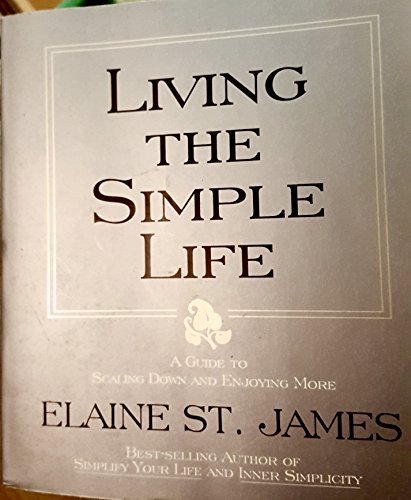
In our contemporary world of constant consumption, technological overwhelm, and endless to-do lists, many of us find ourselves asking a fundamental question: Is this really how life is supposed to feel? The answer lies in discovering that the path to genuine fulfillment often requires moving in the opposite direction of modern culture's default settings. This transformative exploration reveals practical wisdom for anyone ready to reclaim their time, energy, and peace of mind.
The central premise of this work challenges the prevailing assumption that more is always better. Through accessible and immediately actionable guidance, readers discover that simplification isn't about deprivation or sacrifice, but rather about intentional choices that align daily life with personal values and authentic desires. Many people spend decades working toward goals they never consciously chose, maintaining lifestyles that drain their resources, and accumulating possessions that complicate rather than enhance their existence. This guide offers a clear alternative.
The book addresses one of contemporary life's most pressing concerns: the overwhelming complexity that has become normalized in Western culture. From overscheduled calendars to cluttered homes, from endless consumer choices to information overload, complexity has become the default setting. Yet within these pages, readers find permission and practical strategies to step off this treadmill. The transformation begins with understanding that simplifying life is not a retreat from the world but rather a reclamation of personal power and intentionality.
One of the most valuable aspects of this work is its recognition that simplification looks different for every individual. There is no one-size-fits-all formula, no rigid rules to follow. Instead, what emerges is a framework for personal evaluation. Readers learn to examine their own circumstances, identify areas of unnecessary complexity, and make deliberate changes that reflect their unique values and goals. This personalized approach makes the guidance genuinely transformative rather than merely prescriptive.
The practical implications are far-reaching. As readers begin implementing these principles, they typically discover increased free time, reduced financial pressure, clearer mental space, and deeper satisfaction with their daily experience. The stress that comes from maintaining an overly complex lifestyle gradually diminishes. Relationships often improve when people are less frazzled and more present. Creative energy that was previously consumed by managing complexity becomes available for meaningful pursuits.
Beyond the practical benefits, this exploration engages deeper questions about identity and purpose. Many people have built their sense of self around acquiring things, achieving status markers, or maintaining appearances. The journey toward simplicity requires examining these patterns and asking what truly matters. This inner work often leads to profound shifts in how people define success and measure a life well-lived.
The timing of this work in contemporary culture cannot be overstated. Even in our increasingly digital age, the principles remain profoundly relevant. If anything, the complexity of modern life has intensified. The constant connectivity, the expanded number of choices in every domain, the pressure to optimize every aspect of existence, and the comparison culture enabled by social media have only amplified the need for conscious simplification.
What makes this approach different from typical self-help advice is its grounded, compassionate perspective. There is no judgment for those who have accumulated complexity, no shame in recognizing that current circumstances no longer serve their highest good. Instead, there is acknowledgment that change is possible, that freedom from unnecessary burden is within reach, and that a simpler life can be more abundant in the ways that genuinely matter.
Readers seeking to align their external lives with their internal values will find this exploration both inspiring and practical. It offers the intellectual framework to understand why simplification matters, combined with concrete strategies for implementation. The result is a pathway toward living with greater intention, authenticity, and peace.