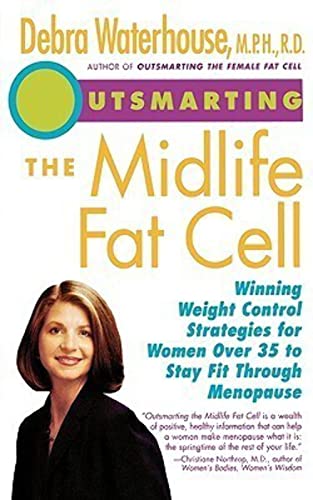
The years surrounding midlife bring profound transformations to the human body, and for many women, the most visible and frustrating change centers on weight management and body composition. What once seemed like a straightforward equation—eat less, exercise more, lose weight—becomes mysteriously ineffective. Clothes that fit comfortably a few years ago no longer button correctly. Energy levels fluctuate unexpectedly. And despite maintaining the same eating habits and exercise routines that worked in earlier decades, the scale stubbornly creeps upward.
This guide explores the scientific reality behind these changes and reveals that the problem isn't personal failure or lack of discipline. Instead, it's rooted in the biological shifts that characterize midlife physiology. The human body during this transformative period operates according to different metabolic rules, and understanding these rules becomes the key to reclaiming wellness and vitality.
The central insight this work provides is that fat cells themselves change their behavior as we age. During midlife, fat cells become more efficient at storing energy while simultaneously becoming more resistant to releasing that stored energy. This isn't a flaw in your willpower or a reflection of your character—it's simply how your body evolves. Hormonal fluctuations create a cellular environment where maintaining the same weight requires different strategies than those that worked in your twenties and thirties.
Beyond the cellular science, readers will discover practical nutritional information grounded in both research and real-world application. The approach presented isn't about deprivation or restrictive dieting. Instead, it focuses on understanding how different foods interact with your changing metabolism and how timing of meals influences your body's ability to maintain energy balance. The guidance emphasizes nutrient density, sustainable eating patterns, and the relationship between food choices and how your body processes and stores energy at this particular life stage.
Exercise recommendations are similarly tailored to midlife physiology. Rather than suggesting that you simply do more of what worked before, this resource explores how different types of physical activity interact with your metabolism during this period. Strength training, cardiovascular exercise, and flexibility work each play distinct roles in supporting your body's changed needs. The emphasis is on finding movement that feels energizing rather than punishing, sustainable rather than extreme.
What makes this perspective particularly valuable for the InnerSelf community is its integration of the mind-body connection. Weight and body composition aren't purely physical issues—they're intimately connected with stress levels, sleep quality, emotional patterns, and how you relate to your body. This work acknowledges that sustainable health transformation requires addressing these interconnected elements. The approach respects the intelligence of your body and works with your physiology rather than against it.
The broader significance of understanding midlife metabolism extends beyond weight management. It touches on self-compassion and self-understanding. Many people internalize the belief that if they simply tried harder or had more willpower, their body would cooperate with their desires. This creates unnecessary shame and disconnection from the body precisely when understanding and cooperation matter most. Learning how your body actually functions at this life stage creates the foundation for genuine self-acceptance and effective decision-making.
Furthermore, this knowledge empowers you to make informed choices about your health rather than relying on trend diets or conflicting advice. You gain clarity about which recommendations actually apply to your current physiology and which don't serve your particular needs. This discernment becomes invaluable as you navigate the constant stream of health information and marketing messages that often ignore how bodies actually change across the lifespan.
For anyone experiencing the frustration of midlife weight changes or seeking to support a loved one through this transition, this resource offers both scientific understanding and practical tools. It transforms a source of shame or confusion into an opportunity for deeper self-knowledge and effective self-care. By working with your body's actual needs rather than against them, you can move toward genuine wellness and vitality during this important life phase.