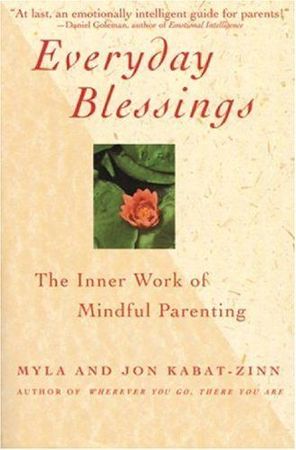




Love relationships are often where our deepest vulnerabilities surface and our greatest joys emerge. Yet they're also the arena where we tend to create the most unnecessary conflict, worry, and emotional turbulence. This transformative guide offers a refreshing perspective on romantic partnerships by inviting readers to step back from the small irritations that accumulate over time and threatening to erode the foundation of what might otherwise be a beautiful connection.
The fundamental premise centers on a simple yet profound truth: the vast majority of relationship conflicts stem not from fundamental incompatibilities or serious issues, but from our tendency to obsess over minor annoyances, perceived slights, and trivial disagreements. When we learn to recognize which conflicts genuinely matter and which ones don't, we free ourselves from unnecessary suffering and create space for genuine intimacy and appreciation. The wisdom offered here acknowledges that love requires ongoing attention and care, but not in the frantic, anxious way that many couples approach their partnerships.
Throughout these pages, readers encounter practical, accessible strategies for shifting perspective on common relationship challenges. The guidance addresses situations familiar to nearly everyone in a committed partnership: misunderstandings about household responsibilities, communication patterns that create friction, different expectations about social activities, and the countless small irritations that accumulate when two imperfect humans share their lives. Rather than offering complicated conflict resolution techniques, the approach focuses on changing how we perceive these situations and our internal responses to them.
One central theme involves learning to distinguish between battles worth fighting and those better left alone. Many couples find themselves in repetitive cycles of conflict around issues that, upon honest reflection, don't truly threaten their relationship or quality of life. By developing the ability to recognize when we're sweating the small stuff, we can choose differently. We can laugh instead of argue, let go instead of grip tighter, and redirect our energy toward what genuinely matters. This isn't about compromise or accepting mistreatment; it's about wisdom in knowing what deserves our emotional investment.
The guidance also explores how our internal mental patterns directly influence relationship dynamics. Our thoughts create feelings, which generate behaviors, which shape the responses of our partners. By examining our tendency toward worry, catastrophizing, or holding grudges over minor infractions, we gain access to a fundamental lever for change. When we can catch ourselves beginning to spiral into frustration over something trivial, we have the opportunity to pause, breathe, and choose a more loving response. This capacity for self-awareness becomes the gateway to greater peace both within ourselves and in our relationships.
Another valuable element addresses the importance of appreciation and gratitude in romantic partnerships. Over time, partners often become invisible to each other, their positive qualities taken for granted while their minor flaws receive disproportionate attention. The perspectives shared here encourage readers to actively notice what they love about their partners, what attracted them initially, and the ways their loved ones show up for them daily. This deliberate cultivation of appreciation naturally reduces the mental space devoted to irritation and complaint.
The guidance recognizes that relationships require intentional presence and genuine effort, but emphasizes that this effort should be directed wisely. Some couples exhaust themselves trying to perfect an impossible standard of communication or work endlessly to eliminate all conflict. The more balanced approach suggests that energy is better spent maintaining perspective, extending grace, and focusing on connection rather than correction.
This resource matters because relationship dissatisfaction often stems less from actual incompatibility and more from our habitual patterns of worry and complaint. By learning to relax our grip on small frustrations, we cultivate relationships characterized by greater peace, joy, and genuine intimacy. The result is not the elimination of challenges but a fundamental shift in how we meet them, with more wisdom, humor, and love.