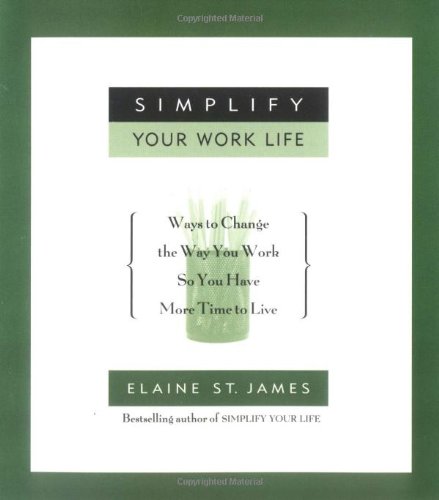




In our modern era, the workplace has become one of the primary sources of stress and complexity in our lives. Many of us find ourselves caught in an endless cycle of overwhelming responsibilities, cluttered desks, overflowing email inboxes, and the constant pressure to do more with less. Yet somewhere beneath this chaos lies a fundamental truth: we have far more power to reshape our work lives than we typically believe. This exploration of workplace simplification offers practical wisdom for anyone seeking to reclaim their time, energy, and sense of purpose within their professional sphere.
The foundation of this work rests on a compelling premise: that simplifying your work life directly connects to achieving greater peace, balance, and fulfillment in all areas of existence. When we reduce unnecessary complexity at work, we create space for what truly matters. We develop the mental clarity to engage more meaningfully with our jobs, our families, and ourselves. This isn't about working less or being less productive; it's about working smarter and more intentionally, with full awareness of what we're actually trying to accomplish.
One of the primary focuses involves examining the physical workspace itself. Many people have never truly considered how their environment affects their productivity and peace of mind. The exploration here walks readers through practical strategies for decluttering desks, organizing files, and creating physical spaces that support focused work rather than drain mental energy. When your workspace reflects clarity and intention, your mind follows suit. This physical simplification often serves as the gateway to deeper changes in how we approach our entire professional life.
The work also addresses the critical issue of time management and priority setting. Rather than introducing another complex system of schedules and categories, the approach emphasizes honest evaluation of how we actually spend our time and whether those activities align with our true values and goals. Readers will discover methods for identifying time-wasting activities, saying no to commitments that don't serve them, and protecting their energy for work that feels meaningful. This represents a profound shift from the typical productivity mindset that focuses on squeezing more tasks into each day.
Communication and relationships at work receive substantial attention as well. Workplace complexity often stems from unclear communication, misaligned expectations, and relationships that lack authentic connection. This section provides guidance for streamlining communication, establishing clear boundaries, and fostering more genuine professional relationships. These seemingly small improvements can dramatically reduce daily stress and create a more harmonious work environment.
The exploration also tackles the psychological aspects of workplace overwhelm. Many people carry perfectionist tendencies, people-pleasing habits, and deep-seated beliefs about work and worth that keep them trapped in overly complicated professional lives. By examining and gently releasing these limiting patterns, readers can make choices based on their authentic needs rather than external pressures or internalized demands.
What makes this material particularly valuable is its recognition that work comprises a significant portion of our lives. We spend roughly a third of our time working, which means the quality of our work life directly influences our overall wellbeing and spiritual development. When we're constantly stressed, exhausted, and overwhelmed at work, we simply cannot bring our best selves to any area of life. Conversely, when we approach our work with intentionality, clarity, and purpose, we experience a natural sense of flow and harmony that extends into all relationships and experiences.
This practical guide serves readers seeking genuine transformation. It acknowledges that change requires both concrete action steps and shifts in perspective. Rather than offering one-size-fits-all solutions, the material encourages readers to assess their unique situations and apply principles in ways that resonate with their individual circumstances and values. The ultimate goal remains consistent: creating a work life that supports rather than undermines your overall wellbeing, allowing you to show up fully present in all aspects of your existence.