
# Understanding the Reformer's Vision: A Guide to Personal and Spiritual Liberation
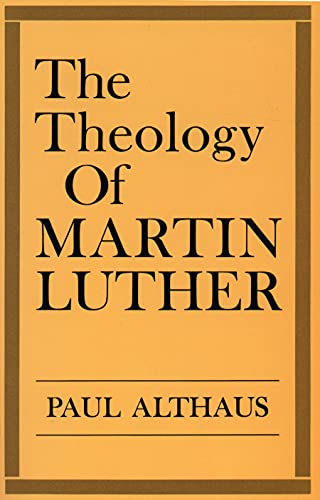
Discover how one of history's most transformative religious figures approached faith, freedom, and the human soul. This comprehensive exploration of Reformation theology offers profound insights for anyone seeking to understand the spiritual underpinnings of personal empowerment and authentic spirituality.
At the heart of this work lies a revolutionary understanding of human worth and divine grace. The reformer whose ideas are examined here fundamentally changed how we think about our relationship with the divine, stripping away centuries of institutional complexity to reveal something radically simple yet profoundly liberating: the direct, unmediated connection between the human soul and ultimate spiritual truth. This concept remains remarkably relevant for modern seekers on a journey of personal transformation and spiritual awakening.
The theological framework presented here centers on several transformative principles that speak directly to contemporary concerns about authenticity, freedom, and personal growth. The concept of justification by faith alone, for instance, challenges the modern impulse to earn our worth through endless achievement and external validation. It suggests instead that our fundamental value is inherent, not constructed through performance or accumulation. This idea cuts to the heart of personal empowerment, offering liberation from the exhausting cycle of proving ourselves worthy.
One of the most significant contributions explored is the doctrine of Christian liberty, which asserts that those who truly understand grace are freed from unnecessary constraints and self-imposed limitations. This isn't freedom from responsibility or ethical living, but rather freedom from the burden of self-righteousness and fear-based spirituality. For contemporary readers, this translates into understanding that genuine personal transformation comes not from rigid self-control or fear of judgment, but from a deep inner alignment with one's authentic nature and values.
The work also examines how faith itself is understood as a dynamic, living force rather than mere intellectual assent to doctrinal statements. This distinction matters profoundly for personal growth. True faith, as explored here, involves trust, commitment, and a fundamental reorientation of how we live and relate to ourselves and others. It's an active principle that transforms consciousness and behavior from within, rather than imposed discipline from without.
Another crucial theme is the emphasis on the conscience as a guide for ethical living. Rather than looking exclusively to external authorities to determine what is right and wrong, individuals are called to develop and trust their own conscientious discernment. This empowering approach to ethics encourages readers to take responsibility for their own moral development and spiritual integrity, grounded in principle rather than fear of punishment or desire for reward.
The understanding of human nature presented here is neither naively optimistic nor crushingly pessimistic. It acknowledges genuine human limitations and the difficulty of transformation while simultaneously affirming the profound capacity for change and growth that comes through genuine connection with spiritual truth. This balanced perspective proves especially valuable for those seeking sustainable personal development without either denying real challenges or succumbing to hopelessness.
The practical implications of these theological concepts extend into daily life. The emphasis on vocation, for instance, suggests that meaningful work and genuine service constitute spiritual practice. This reframes how we think about our daily activities and responsibilities, transforming them from mere obligations into potential expressions of our spiritual values and authentic selves.
For readers interested in the historical roots of Western individualism and personal autonomy, this exploration provides essential context. The ideas examined here fundamentally shaped how modern consciousness developed, influencing everything from democratic theory to psychological self-understanding.
Whether you're exploring theological questions, seeking to deepen your spiritual practice, or interested in the historical foundations of personal empowerment philosophy, this comprehensive examination offers rich material for reflection and transformation. It demonstrates how wrestling with profound spiritual questions can catalyze genuine personal growth and help us live with greater authenticity, freedom, and purpose.