
Happiness & Success
Achieving Happiness Through Acceptance of Life
The quest for happiness often leads to frustration, as many fail to realize that the...








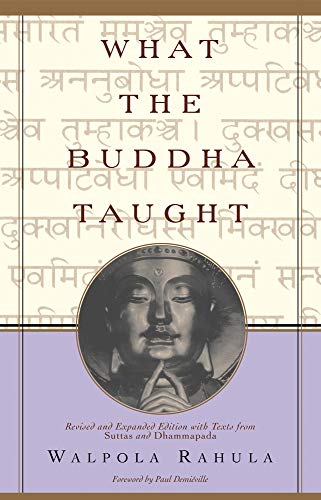
# A Profound Introduction to Buddhist Wisdom and Practice
Discover the essential teachings of Buddhism stripped of cultural overlay and mysticism, presenting instead a clear, direct path to understanding the nature of mind, suffering, and liberation. This seminal work offers Western readers an authentic gateway into one of humanity's greatest spiritual traditions, written by a renowned Buddhist monk and scholar who dedicated his life to bridging Eastern wisdom and Western understanding.
At its heart, this exploration illuminates the Four Noble Truths, the cornerstone of Buddhist philosophy that forms the foundation for all spiritual practice within this ancient tradition. Readers will encounter the profound insight that suffering exists, that suffering has causes rooted in our own minds and desires, that liberation from suffering is possible, and that there is a practical path leading to this freedom. Rather than presenting Buddhism as a religion of blind faith or exotic ritual, this work demonstrates how these teachings are grounded in direct observation of human experience and psychological reality.
Read more ▼
Mona Lisa Md Phd Schulz
Barry Grundland, Patricia Kay
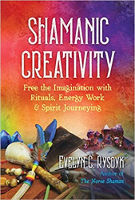
Evelyn C. Rysdyk
The quest for happiness often leads to frustration, as many fail to realize that the...

Reaching sixty can evoke complex emotions, blending relief with ongoing ambition. This...

The quest for life's purpose often leads to unsatisfactory answers. This article...

Romantic love is a complex emotion shaped by historical, cultural, and biological...

Imagine going through one of the most physically and emotionally demanding experiences...

Daily actions often conflict with personal beliefs due to past experiences. By utilizing...

Have you ever argued over something that wasn't actually said? From cultural differences...

Therapists often use dream interpretation to delve into patients' emotions, but true...