In a world where happiness has become commodified and joy is often mistaken for fleeting pleasure, this profound exploration offers something radically different. The work presents joy not as a luxury reserved for fortunate moments, but as a fundamental spiritual and psychological force capable of reshaping how we understand ourselves, our relationships, and our purpose in the world.
This compelling volume emerges from a unique collaboration between perspectives rooted in both psychology and theology, creating a rich dialogue that speaks to the whole person. Rather than offering simplistic formulas or quick-fix solutions, the work invites readers into a deeper investigation of what joy actually is, how it operates in human experience, and why it matters so profoundly for personal transformation and social consciousness.
At its core, this exploration challenges the common assumption that joy is merely the absence of suffering or a consequence of favorable circumstances. Instead, it presents joy as something more substantial, more resilient, and more meaningful. The examination reveals how joy can coexist with struggle, grief, and uncertainty. This perspective proves particularly liberating for those who have been taught that authentic spirituality requires the suppression of happiness or that personal growth demands constant self-sacrifice. The work argues persuasively that joy is actually essential to human flourishing and spiritual maturity.
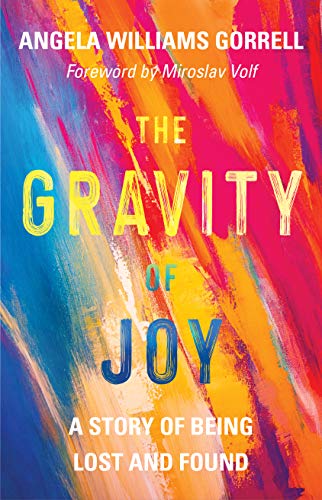
The book delves into how joy functions as a gravitational force in our lives. This metaphor is particularly apt and illuminating. Just as gravity shapes the movement of celestial bodies and keeps us grounded to the earth, joy shapes our choices, relationships, and sense of meaning. When we understand joy properly, we recognize that it pulls us toward our highest selves, toward genuine connection with others, and toward meaningful participation in the world around us.
Throughout these pages, readers will encounter practical wisdom about cultivating joy in daily life. This is not about toxic positivity or forced cheerfulness, but about developing what might be called spiritual resilience. The work explores how joy sustains us through difficult seasons, how it enables us to see possibilities where others see only obstacles, and how it connects us to something larger than our individual circumstances. This perspective proves especially valuable for those navigating loss, disappointment, or uncertainty.
The exploration also addresses the relationship between joy and justice, between personal transformation and social consciousness. Readers will discover how cultivating genuine joy in their own lives actually increases their capacity to care for others and work toward a more just and compassionate world. This integration of the personal and the social speaks directly to the growing hunger many feel for spirituality that is both deeply personal and socially engaged.
One of the most valuable aspects of this work is how it takes seriously both the intellectual and the emotional dimensions of human experience. Readers will find themselves thinking deeply about profound questions while also feeling seen and understood in their own experiences of struggle and hope. The writing invites contemplation without being inaccessible, offering wisdom without condescension.
This volume proves particularly relevant for those who have sensed that something was missing from self-help approaches focused solely on individual achievement or psychological approaches that neglect the spiritual dimensions of human experience. It speaks to the hunger many people feel for integration, wholeness, and meaning.
For anyone seeking to deepen their understanding of what it means to live a full, meaningful life, to develop greater resilience in facing life's challenges, and to connect their personal growth with a wider vision of human flourishing, this exploration offers invaluable guidance. It reminds us that joy is not frivolous or superficial but central to who we are called to become.