

# Understanding the Sacred Threshold of Life's Transition
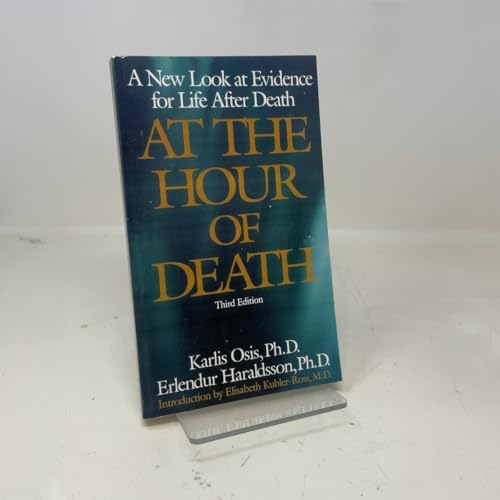
What happens in our final moments? This profound question has captivated humanity across cultures and centuries, yet remains shrouded in mystery and often, unnecessary fear. Exploring the experiences of thousands of individuals at the threshold between life and death reveals a remarkably consistent pattern of visions, encounters, and spiritual phenomena that challenge our conventional understanding of consciousness and existence itself.
Through meticulous research spanning decades, a comprehensive investigation into deathbed experiences presents compelling evidence that the dying often encounter deceased loved ones, experience profound peace, and report visions of extraordinary beauty. These are not hallucinations brought on by medication or oxygen deprivation, but rather consistent, coherent experiences reported by individuals across different backgrounds, belief systems, and medical conditions. The accounts come from hospital patients, hospice residents, and individuals passing in their homes, yet they share striking similarities that demand serious consideration.
The research methodology behind this exploration involved extensive interviews with medical professionals, clergy, family members, and surviving patients who had near-death experiences. By gathering thousands of accounts and analyzing patterns, the investigation reveals that deathbed visions follow predictable stages and characteristics. Most significantly, the content of these visions correlates more closely with the spiritual beliefs of the dying person than with the religious persuasions of those around them, suggesting that these experiences emanate from within the individual's own consciousness rather than from external religious conditioning.
Understanding what actually occurs during the dying process can fundamentally transform how we approach our own mortality and that of our loved ones. Rather than viewing death as a fearful endpoint, this exploration suggests we might reconsider it as a natural transition point where consciousness shifts into a different mode of existence. This perspective offers tremendous potential for personal empowerment, as it allows us to release much of the existential anxiety that has plagued modern society.
For those facing their own mortality or accompanying someone through the dying process, this knowledge becomes deeply practical and comforting. Recognizing that deathbed visions are common and consistent phenomena can help families and caregivers provide better emotional support. Instead of dismissing a dying person's descriptions of welcoming deceased relatives or heavenly landscapes as confusion or delusion, we can honor these experiences as potentially meaningful transitions. This shift in perspective alone can create a more peaceful, dignified dying process.
The implications extend far beyond the individual level. A society that understands and accepts the reality of these experiences develops healthier relationships with mortality itself. This understanding can reduce the denial and medicalization that often characterizes modern dying, allowing for more conscious, intentional transitions. It can inspire conversations about what truly matters in life and how we wish to spend our remaining time.
The investigation also addresses common concerns and questions: Do these visions occur across all religions and belief systems? How do medications affect these experiences? Are certain individuals more likely to have them than others? By examining the data systematically, clear patterns emerge that help distinguish genuine deathbed phenomena from medical complications or mental confusion.
This exploration serves a crucial function in personal empowerment by providing evidence-based reassurance about one of life's greatest unknowns. When we understand that millions have traveled this path before us and returned with descriptions of peace, connection, and meaning, we regain power over our narrative about death itself. We can choose to view our mortality not as a tragedy to deny or a terror to escape, but as a profound transition to be approached with consciousness and grace.
Read more ▼