
Happiness & Success
Achieving Happiness Through Acceptance of Life
The quest for happiness often leads to frustration, as many fail to realize that the...









At the intersection of personal values and economic reality lies one of the most uncomfortable territories many people navigate: the complex relationship between money and human connection. This groundbreaking sociological exploration delves deep into how financial considerations shape our most intimate relationships, challenging readers to examine the often unspoken role that economic factors play in families, friendships, and communities.
Through extensive interviews and careful research, this work unveils the hidden dynamics of how money flows through our personal lives, affecting decisions about marriage, divorce, inheritance, caregiving, and family obligations. Rather than offering simple judgments about materialism or idealism, it presents a nuanced portrait of how real people grapple with financial realities while trying to maintain authentic emotional bonds. The investigation reveals patterns that cut across social classes and backgrounds, showing that everyone—regardless of income level—faces challenging decisions about balancing economic necessity with emotional loyalty.
Readers will discover eye-opening insights about how wealth and financial expectations influence partner selection, often in ways people are reluctant to acknowledge even to themselves. The exploration extends beyond romantic relationships to examine how money creates power dynamics within families, how inheritances can both unite and divide siblings, and how the costs of caring for aging parents or struggling relatives can strain even the strongest family bonds. These aren't abstract theories but real stories of people wrestling with decisions that have no easy answers.
Read more ▼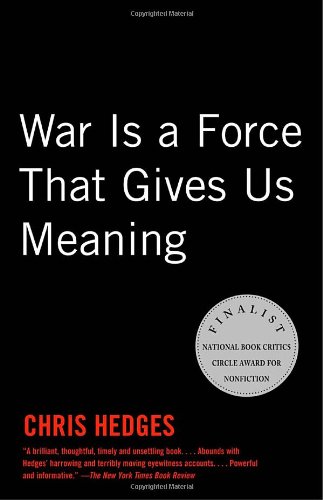
War Is a Force that Gives Us Meaning
Chris Hedges
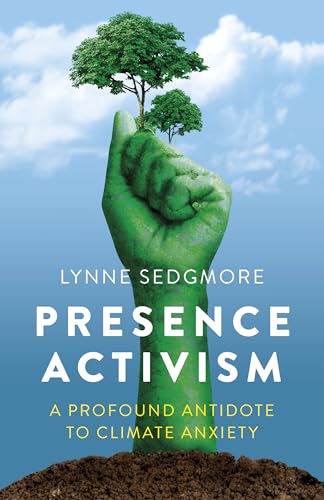
Lynne Sedgmore

Scott Shaw
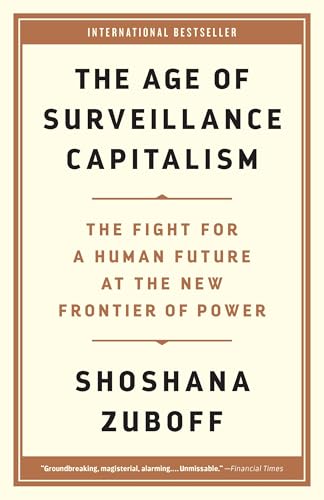
The Age of Surveillance Capitalism
Shoshana Zuboff
The quest for happiness often leads to frustration, as many fail to realize that the...

Reaching sixty can evoke complex emotions, blending relief with ongoing ambition. This...

The quest for life's purpose often leads to unsatisfactory answers. This article...

Romantic love is a complex emotion shaped by historical, cultural, and biological...

Imagine going through one of the most physically and emotionally demanding experiences...

Daily actions often conflict with personal beliefs due to past experiences. By utilizing...

Have you ever argued over something that wasn't actually said? From cultural differences...

Therapists often use dream interpretation to delve into patients' emotions, but true...