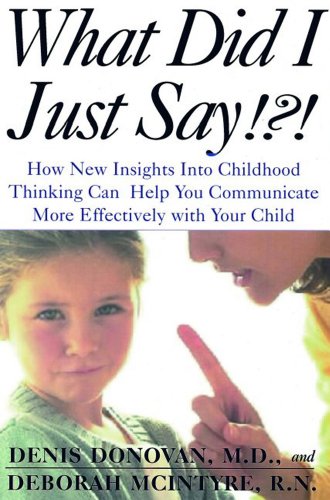



Every parent has experienced that moment of profound frustration: you've just spent five minutes explaining something to your child, only to watch them do the exact opposite of what you asked. The words seemed clear enough in your mind, but somewhere between your lips and their ears, the message transformed into something entirely different. What happened? The answer lies in a fundamental gap between how adults communicate and how children actually process information.
This exploration reveals the surprising science behind parent-child communication and offers practical pathways to dramatically improve how you connect with your children. Rather than blaming children for not listening or dismissing parents as ineffective communicators, this work examines the actual neurological and developmental differences that create communication breakdowns in families every single day.
The foundation of this approach rests on understanding that children don't hear the world the way adults do. Their brains are literally wired differently. They process language, interpret tone, and understand context through developmental stages that parents often overlook or misunderstand. When you recognize this truth, everything changes. Your frustration melts into compassion. Your failed attempts at communication become opportunities for learning and connection rather than evidence of failure.
Throughout this journey, you'll discover why children seem to ignore instructions, forget what you've told them, or interpret your words in ways that seem deliberately contrary. You'll learn how attention spans work differently in developing minds, how memory formation varies at different ages, and why what works with a five-year-old completely falls flat with a teenager. More importantly, you'll understand how to adapt your communication style to match your child's actual developmental capabilities rather than expecting them to meet your adult standards.
The insights presented here transform the way you see behavioral problems, compliance issues, and family conflict. Many situations parents interpret as willful disobedience or disrespect actually stem from communication mismatches. A child who seems to constantly forget your requests might have a working memory that functions differently than yours. A teenager who appears to ignore your advice might be processing emotional content in a way that prevents rational listening. Understanding these differences doesn't excuse poor behavior—it creates the foundation for actually changing it.
One of the most valuable aspects of this material involves practical strategies you can implement immediately. You'll learn specific techniques for phrasing requests so children actually hear them. You'll discover how to check for comprehension in ways that don't embarrass or shame children. You'll understand the importance of repetition, clarity, and age-appropriate expectations. These aren't manipulative tactics but respectful approaches that honor how human brains actually work.
Beyond the practical communication techniques, this work addresses something deeper that resonates with anyone seeking meaningful relationships. It offers a path to profound respect and connection with your children. When you understand how they truly process the world, you move from a place of judgment into a place of genuine empathy. You stop taking their misunderstandings personally. You become more patient with their developmental limitations because you understand them as developmental realities rather than character flaws.
The relationship implications extend far beyond childhood. Parents who master these communication insights often find their marriages improve, their friendships deepen, and their professional relationships strengthen. Effective communication isn't just about getting compliance from children—it's about creating genuine human connection based on understanding rather than assumption.
This exploration ultimately offers something that many parenting books promise but rarely deliver: real transformation in how you relate to your children. By aligning your expectations with neurodevelopmental reality and your communication with how children actually process information, you create families where understanding flows more freely, conflict decreases naturally, and connection deepens. That shift from frustration to understanding, from "Why won't you listen?" to "How can I help you hear me?"—that shift changes everything.