# Understanding Hidden Power: A Journey Through Modern Geopolitical Consciousness
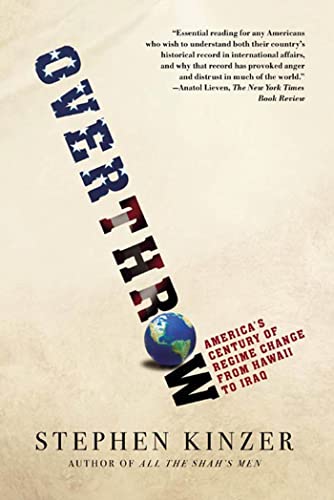
The hidden hand of intervention that has shaped our modern world reveals itself through a compelling examination of how the United States has systematically overthrown foreign governments throughout the twentieth and twenty-first centuries. This exploration represents far more than a historical recitation of events; it is an invitation to awaken to the complex ways that global power operates behind the scenes, influencing not only international relations but our collective understanding of truth, justice, and national identity.
The narrative spans from the early twentieth century through the early 2000s, documenting fourteen pivotal moments when American military or covert operations deliberately removed democratically elected or independent leaders from power. Each case study unfolds like a carefully constructed mystery, revealing the motivations, methods, and consequences of these interventions. From the overthrow of the Hawaiian monarchy to operations in Iran, Guatemala, Congo, Chile, and beyond, readers encounter a pattern that challenges conventional narratives taught in schools and reinforced through mainstream media.
What makes this examination particularly valuable for readers seeking personal empowerment and conscious awakening is the opportunity to develop critical thinking skills about geopolitical events. Throughout history, citizens have been encouraged to accept official narratives without question. By examining the documented facts, declassified documents, and historical records, readers can learn to question assumptions and evaluate information more carefully. This intellectual independence extends far beyond international politics into everyday decision-making and personal growth.
Understanding how governments use propaganda, economic leverage, and military force to maintain power and access to resources provides essential context for comprehending current global conflicts. Many contemporary tensions, refugee crises, economic instability, and regional conflicts have roots directly traceable to these historical interventions. By connecting the dots between past actions and present circumstances, readers gain insight into how history creates the world we inhabit today.
The exploration also illuminates the human cost of these geopolitical maneuvers. Behind statistics and political terminology are millions of individuals whose lives were disrupted, whose democratic aspirations were crushed, and whose nations were destabilized for decades. Understanding the real human impact of policy decisions cultivates empathy and compassion while simultaneously building awareness of our responsibility as global citizens to question the decisions made in our name.
This examination serves as a catalyst for conscious citizenship. In an era of information overload and competing narratives, developing the ability to research, verify, and critically analyze claims about national actions becomes a form of personal empowerment. Readers learn to distinguish between official justifications and documented outcomes, between stated intentions and actual consequences. This skill set applies not only to historical analysis but to evaluating contemporary political claims and media narratives.
The spiritual dimension of this awakening cannot be overlooked. Consciousness expansion often begins with uncomfortable truths. Recognizing that institutions trusted to act in the public interest may operate from different motivations requires a kind of psychological and spiritual maturity. This honest reckoning with reality, while challenging, creates the foundation for making more authentic and informed choices about participation in society, voting, activism, and how we contribute to creating a more just world.
For those committed to personal growth and social consciousness, this perspective becomes essential context for understanding our times. It answers important questions about why the world is structured as it is, who benefits from current arrangements, and where resistance to change originates. Armed with this knowledge, individuals can move beyond naive idealism or cynical disengagement to informed, grounded engagement with the world.
Ultimately, this historical analysis serves readers seeking to evolve beyond conditioning and propaganda toward genuine understanding. By examining documented facts about how power operates globally, we empower ourselves to think more critically about all forms of authority and influence in our lives, cultivating the discernment essential for authentic personal and collective transformation.