Discover how ancient wisdom traditions are being adapted and reimagined for contemporary life, and what this evolution means for your own spiritual journey. This exploration challenges the Western understanding of Eastern spirituality and offers a refreshing perspective on how we can authentically integrate contemplative practices into our modern existence.
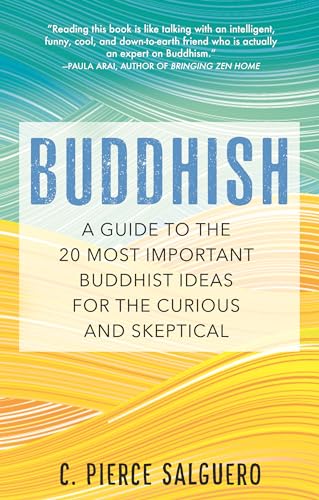
Many of us have encountered Buddhism through popular culture, yoga studios, meditation apps, and wellness retreats. We've learned to associate Buddhist concepts with stress relief, mindfulness, and personal happiness. Yet there's often a disconnect between what we practice in these modern contexts and the deeper historical and philosophical roots of these traditions. This book examines that crucial gap, asking an important question: when we practice what we call Buddhism in the West, what are we actually doing, and does it matter that our version might look quite different from the original teachings?
The exploration begins with an honest assessment of how Buddhism has been filtered through Western lenses. Throughout history, when spiritual traditions encounter new cultures, they transform. They adapt to local needs, values, and worldviews. This isn't necessarily a problem—it's often how traditions remain alive and relevant. However, understanding what has been preserved, what has been changed, and what has been lost entirely can deepen our practice and help us make intentional choices about our spiritual path.
Readers will discover the historical journey of Buddhism from Asia to the West, tracing how it evolved from a comprehensive philosophical and religious system into a more simplified spiritual practice focused primarily on meditation and personal well-being. You'll learn about the various schools of Buddhism and how different Western communities have embraced different aspects of these traditions. Some have emphasized the meditative and psychological dimensions, while others have focused on ethical practices or philosophical study. Each approach offers something valuable, yet each also represents a particular interpretation rather than the whole picture.
One of the most valuable aspects of this examination is how it addresses the concept of authenticity. Rather than declaring one version of Buddhism "correct" and others "inauthentic," this exploration presents a more nuanced understanding. Modern Western practitioners are creating something new—something that might be called "Buddhish"—that draws on Buddhist wisdom while reflecting contemporary concerns and contexts. This isn't about abandonment or betrayal of tradition; it's about honest acknowledgment of what's happening and thoughtful engagement with the questions it raises.
Throughout the journey, you'll encounter practical insights about how to approach your own spiritual practice with greater awareness. If you meditate, you'll understand more clearly what meditation traditions you're drawing from and what you're actually practicing. If you study Buddhist philosophy, you'll have more context for understanding which interpretations resonate with your values and which might deserve further investigation. You'll develop the discernment to make conscious choices rather than accepting assumptions about what Buddhism is or should be.
The deeper significance of this exploration extends beyond Buddhism itself. As we navigate an increasingly global spiritual marketplace, many of us draw from multiple traditions, adapting teachings that resonate with our lives. Understanding how traditions transform when they encounter new contexts helps us engage with any spiritual practice more thoughtfully. It encourages us to ask important questions: Am I practicing authentically within a tradition's framework, or am I creating something new? Is that distinction important to me? How do I honor both my genuine needs for spiritual meaning and growth while respecting the integrity of traditions I'm borrowing from?
This examination ultimately empowers readers to become more conscious spiritual practitioners. By understanding the historical and cultural forces that have shaped contemporary practice, you can engage with greater intentionality, deeper appreciation, and clearer understanding of what you're actually doing when you practice. Whether you're a longtime meditator, a curious beginner, or someone interested in how traditions transform across cultures, this exploration offers valuable perspective for your personal growth journey.